
Face condition
Bruxism
Bruxism, the habitual grinding or clenching of teeth, is a condition that can lead to various dental and health issues. Skin Science Clinic is dedicated to providing a comprehensive understanding of this condition.
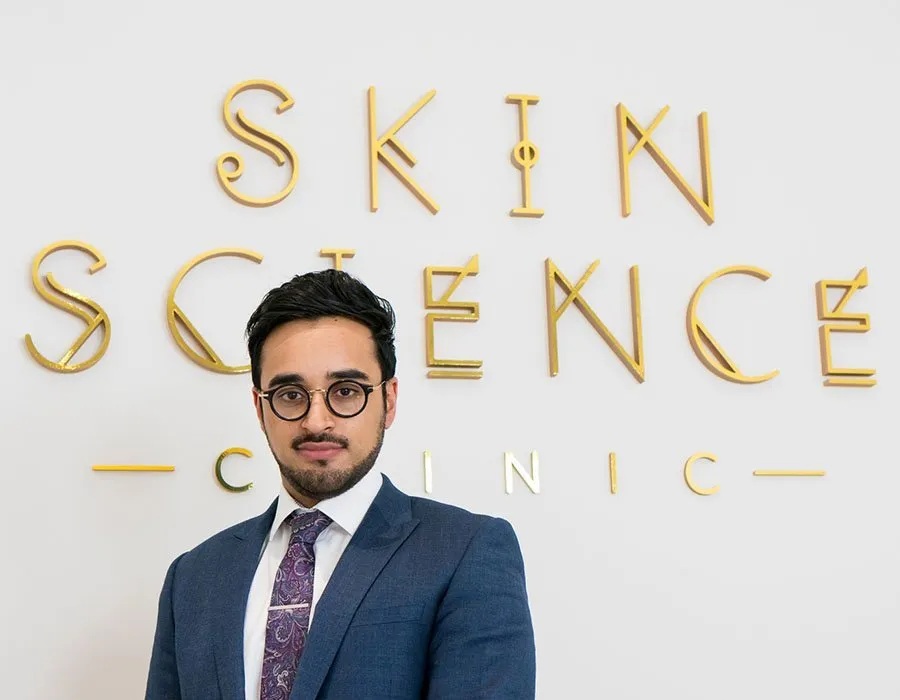
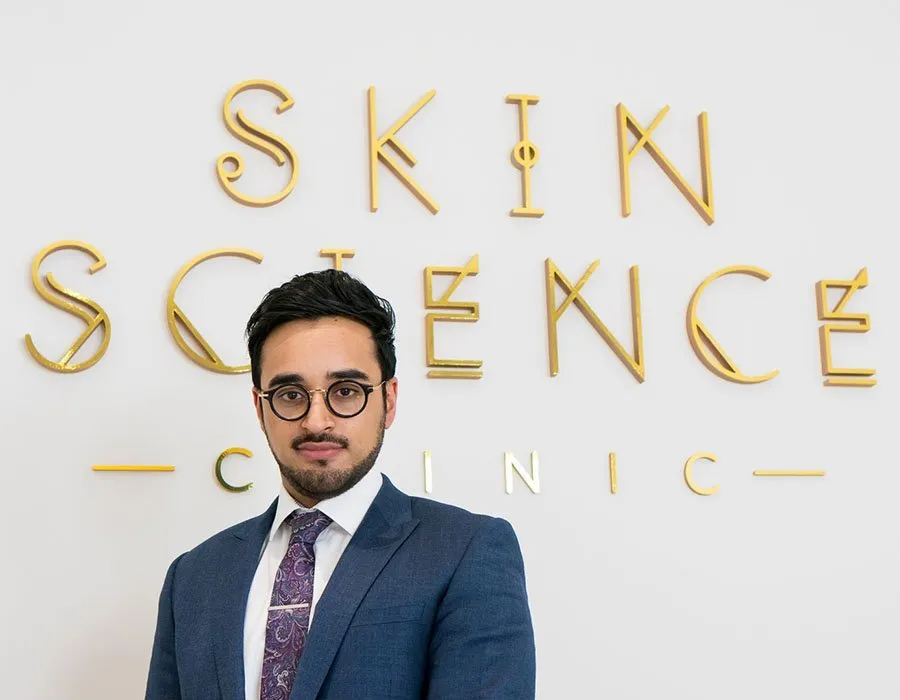
Written and clinically reviewed by Dr Adil Sarwar MBBS, BSc, MRCGP
At a glance
Common signs
- Teeth grinding or clenching
- Worn or fractured enamel
- Jaw pain and soreness
- Headaches on waking
Common causes
- Stress and anxiety
- Sleep disorders such as apnoea
- Certain medications
- Caffeine and alcohol
Treated with
Anatomy Involved in Bruxism
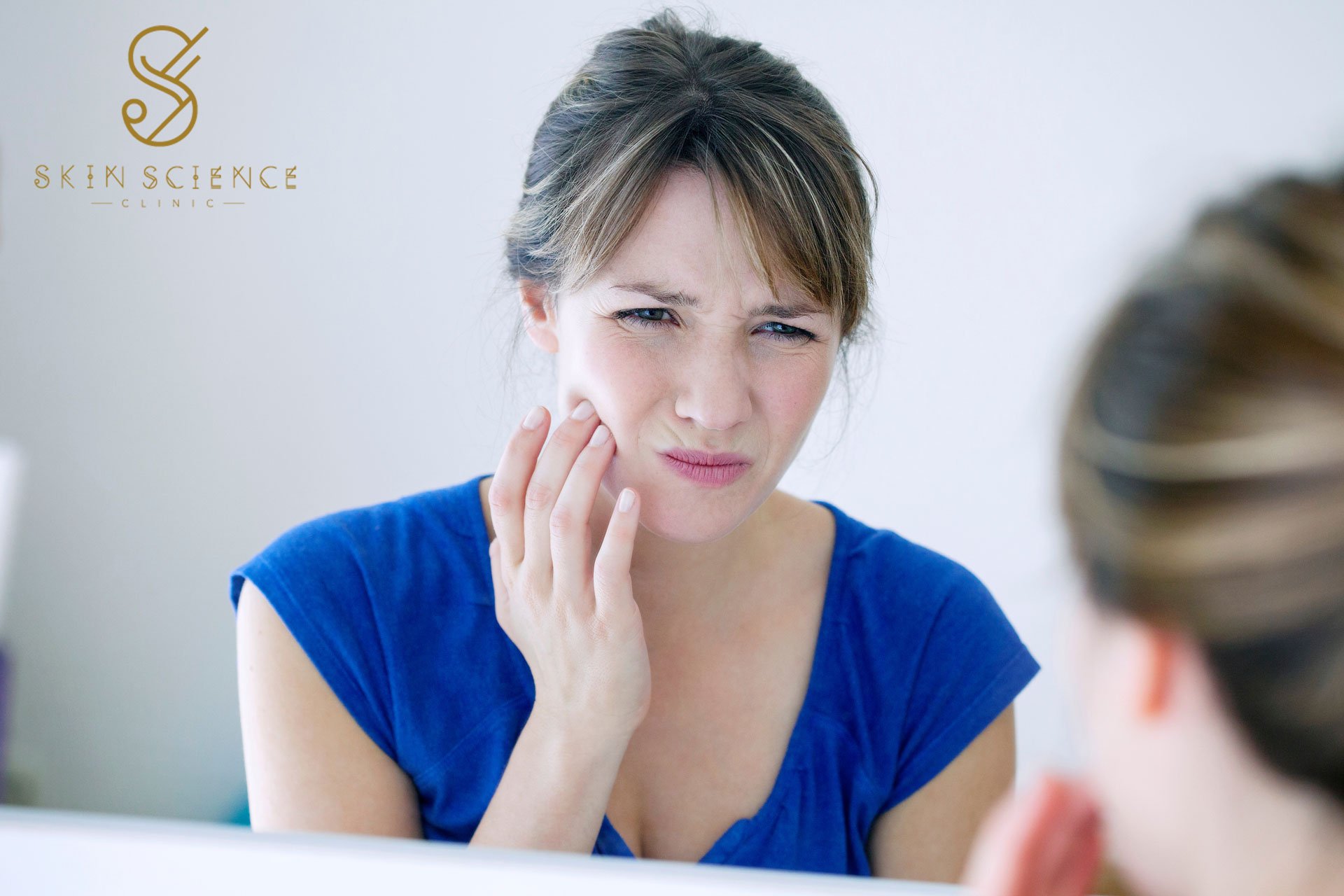
Bruxism primarily affects the masticatory system, which includes:
- Teeth
- Constant grinding can wear down tooth enamel, increasing sensitivity and vulnerability to cavities.
- Jaw Muscles
- The masseter and temporalis muscles are heavily involved in the grinding process, and they often become sore and hypertrophic.
- Temporomandibular Joint (TMJ)
- Repetitive movement and pressure can lead to TMJ disorders, causing pain and dysfunction in the joint connecting the jaw to the skull.
Causes of Bruxism
The exact cause of bruxism remains unclear, but several factors may contribute to it, including:
- Stress and Anxiety: Emotional stress is one of the most common triggers of bruxism.
- Sleep Disorders: Conditions such as sleep apnoea are linked to bruxism.
- Medications: Certain medications, particularly those affecting the central nervous system, can induce bruxism.
- Lifestyle Factors: Excessive consumption of caffeine, alcohol, or recreational drugs.
- Malocclusion: Misalignment of teeth can sometimes provoke bruxism.

Symptoms of Bruxism
Bruxism can lead to various symptoms, including:
- Teeth Grinding or Clenching: Often observed by sleeping partners or family members.
- Tooth Damage: This may include enamel wear, increased tooth sensitivity, and teeth that are flattened, fractured, chipped, or loose.
- Jaw Pain or Soreness: This can manifest as discomfort in the jaw muscles, in the temporomandibular joint (TMJ), or even as headaches.
- Earache: Pain that originates from the jaw and radiates to the ear, not stemming from an ear infection.
- Facial Pain: Muscle tension and soreness in the face.
Diagnosing Bruxism
At Skin Science Clinic, diagnosing bruxism involves a combination of patient history, clinical examination, and sometimes, specialised tests:
- Dental Examination: The dentists look for signs of tooth wear, damage, and muscle tenderness.
- Patient History: We conduct a detailed inquiry about symptoms, lifestyle, and medical history.
- Bite Analysis: Checking for malocclusion or bite misalignment.
- Sleep Studies: Polysomnography can monitor sleep patterns and detect bruxism episodes, especially in conjunction with other sleep disorders.
Managing Bruxism
To manage bruxism, you can consider the following options:
- Stress Reduction Techniques: Methods such as meditation, yoga, or cognitive behavioural therapy (CBT) can help manage stress and anxiety.
- Dental Guards: Custom-fitted mouth-guards or splints can be used to protect teeth from grinding damage.
- Medication: In some cases, muscle relaxants, anti-anxiety drugs, or botulinum toxin (Botox) injections may be prescribed to alleviate severe symptoms.
- Behavioral Therapy: Training to modify habits and reduce teeth clenching during the day can also be helpful.
Botox for Bruxism
Botox, commonly known for its cosmetic applications, can also effectively treat bruxism. Here’s how:
- Relaxing Jaw Muscles: Botox weakens the hyperactive muscles involved in teeth grinding and clenching, specifically the masseter and temporalis muscles.
- Reducing Muscle Activity: Botox decreases the strength of these muscles, helping lessen the intensity and frequency of jaw clenching and grinding and thereby alleviating related symptoms.
- Preventing Damage: Reduced muscle activity means less wear on teeth, decreased jaw pain, and less strain on the temporomandibular joint (TMJ).
Alternative Therapies for Bruxism
In addition to conventional treatments, several alternative therapies may offer relief:
- Physical Therapy: Exercises and massages targeting the jaw muscles can reduce tension and pain.
- Acupuncture: Some patients find relief through acupuncture, which may help reduce muscle tension and promote relaxation.
- Biofeedback: Techniques that teach patients to control involuntary bodily processes, potentially reducing jaw muscle activity.
- Herbal Remedies: Certain herbs like valerian root and chamomile might help reduce stress and promote better sleep
The Treatment Process with Dr Adil Sarwar at Skin Science Clinic
Dr Adil Sarwar, an experienced practitioner at Skin Science Clinic, follows a meticulous process to ensure optimal results.
Initial Consultation
During the initial consultation, Dr Sarwar will conduct a thorough examination to understand your specific condition. This includes:
- Review of Medical History: Understanding your medical background and any underlying conditions.
- Symptom Assessment: Discussing the symptoms you’re experiencing and how they impact your daily life.
- Physical Examination: Evaluating the jaw muscles and identifying areas of excessive tension and hypertrophy.
Customised Treatment Plan
Based on the initial assessment, Dr Sarwar will create a bespoke treatment plan tailored to your needs. This plan will outline:
- Targeted Muscles: Identifying the precise muscles that require Botox injections.
- Dosage and Frequency: Determining the appropriate amount of Botox and the frequency of treatments.
Botox Injections
The actual procedure is quick and minimally invasive:
- Preparation: The targeted areas are cleansed to ensure a sterile environment.
- Injection: Using fine needles, Dr Sarwar administers the Botox injections directly into the masseter and/or temporalis muscles.
- Post-Treatment Care: Patients can return to their daily activities immediately after the procedure, with minimal downtime required.
Follow-up and Results
Results typically become noticeable within a few days to a week, with full effects apparent after about four weeks. Dr Sarwar will schedule a follow-up appointment four weeks after the procedure to re-examine the masseter and inject further units of Botox. Regular treatments every four to six months may be recommended to maintain the benefits. At Skin Science Clinic, we understand the complexities of bruxism and the significant impact it can have on overall health and well-being. We are committed to providing cutting-edge solutions for bruxism, helping you achieve relief and improve your overall quality of life.
Common questions
Botox works by temporarily paralysing the targeted muscles (masseter and temporalis), reducing their activity. This reduces the intensity and frequency of these movements, alleviating pain and preventing further dental damage.
No, Botox is not a permanent solution. The effects typically last for four to six months, after which additional treatments may be necessary to maintain results.
Results typically become noticeable within a few days to a week, with full effects seen after about four weeks.
Side effects are generally minimal but can include slight bruising or swelling at the injection site, temporary weakness in nearby muscles, and rarely, headaches. These effects usually resolve on their own.
To maintain the benefits, Botox injections are generally recommended every four to six months, depending on individual response and severity of symptoms.
Yes, Botox can be part of a comprehensive treatment plan that includes stress management, dental guards, physical therapy, and behavioural therapy.
Treatments for bruxism
Which of these suits you depends on your skin and your history. Dr Sarwar confirms the plan at consultation.
ENQUIRY FORM
Have a question about bruxism? Send us a message and we will come back to you.
Central London Skin Clinic