
Face condition
Melasma
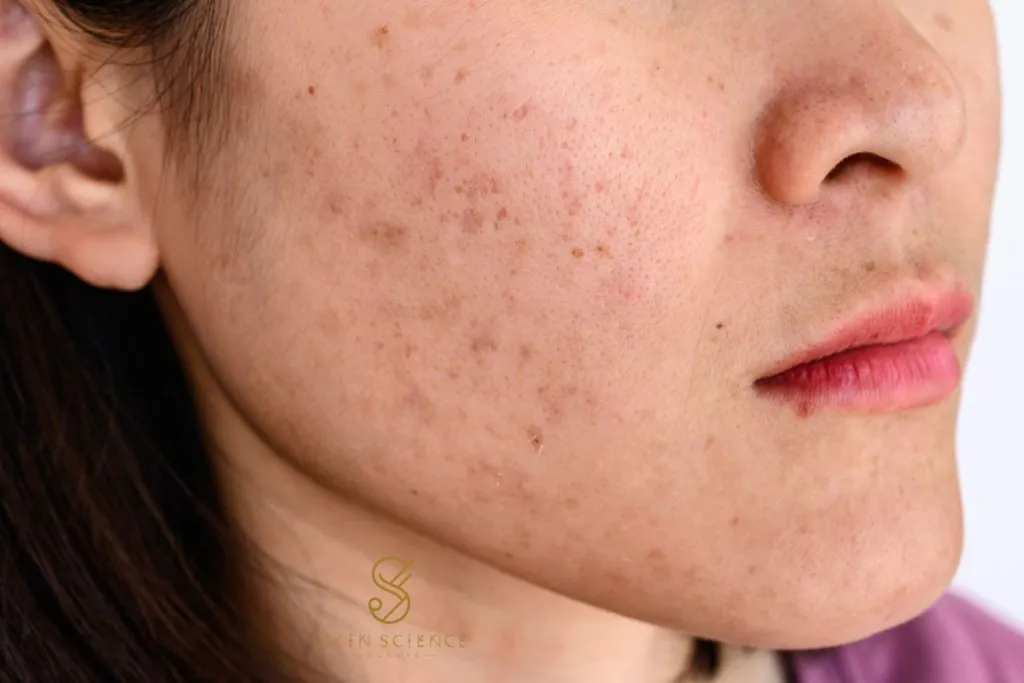
Melasma, often dubbed “the mask of pregnancy,” is a common skin disorder seen at the clinic, characterised by hyperpigmented patches primarily appearing on the face.
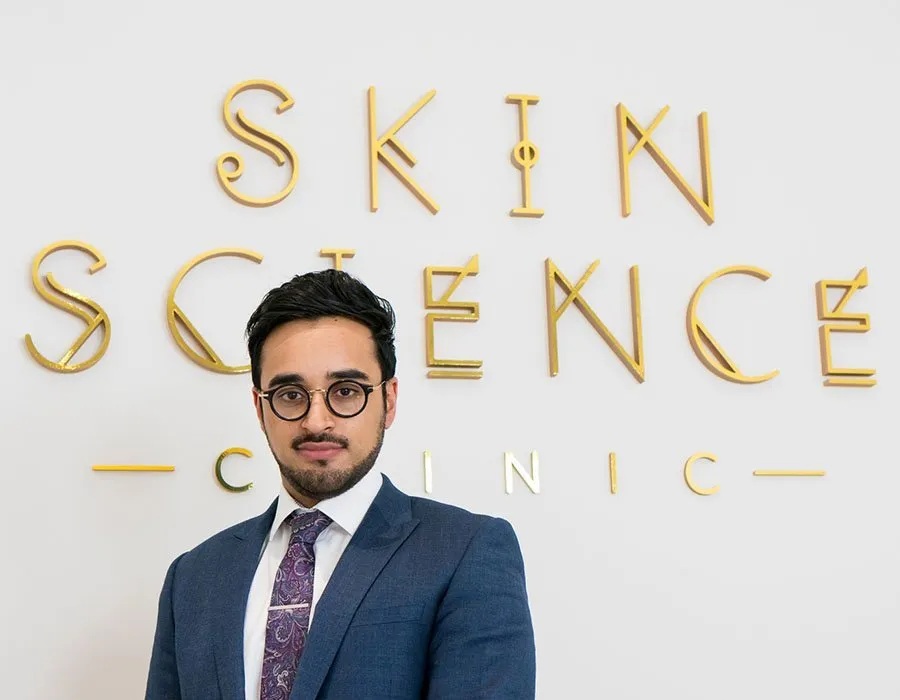
Written and clinically reviewed by Dr Adil Sarwar MBBS, BSc, MRCGP
Everything You Need to Know
The brown to grey-brown patches usually occur symmetrically on the cheeks, nose, forehead, upper lip, and chin.
This condition predominantly affects women, especially during their reproductive years. However, it is not exclusive to them.
Melasma treatment in London at Skin Science Clinic
While melasma is not harmful, it can lead to emotional distress due to its impact on appearance. Hence, many people seek treatment to lighten the dark patches.
Treatments at the clinic are based on the latest and most advanced scientific research.
Treatment Options
Topical Treatments
Creams containing active ingredients like hydroquinone, tretinoin, corticosteroids, kojic acid, or a combination can help lighten the skin. Dr Adil Sarwar can prescribe these creams if he thinks they suit. Of all the cream options, we find hydroquinone to be the most effective. Tyrosinase is a critical enzyme involved in the conversion of tyrosine to melanin. The creams listed above inhibit the activity of tyrosinase, a critical enzyme involved in the conversion of tyrosine to melanin thereby reducing melanin production.
MOXI Laser Therapy
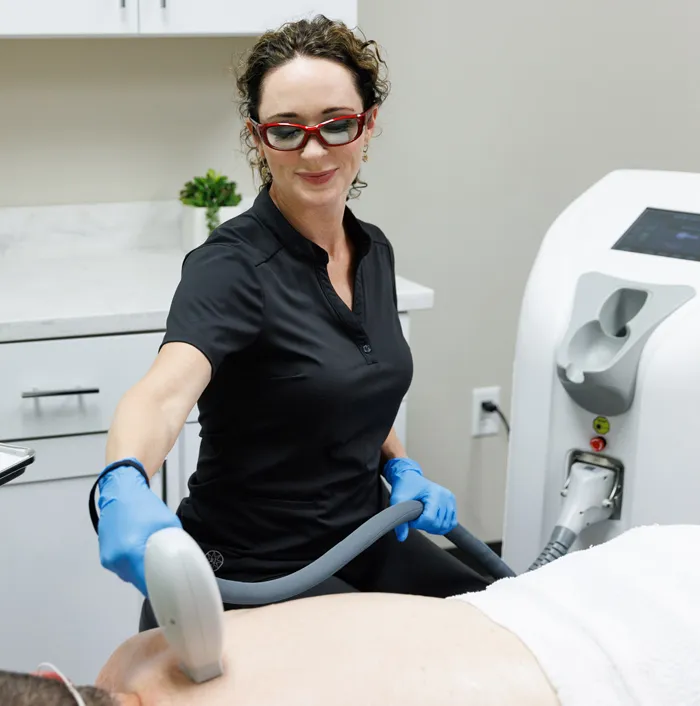
Moxi laser is our favourite and preferred treatment for melasma at the clinic. It is a 1927nm fractionated laser which takes roughly 30 minutes. Fractionated laser works by creating micro-injuries in the skin, allowing it to target melanin effectively while sparing surrounding tissues, thereby improving the appearance of melasma over time. It is a very effective treatment to target and break down the excess melanin in the skin, improving texture, tone and skin clarity. MOXI can treat all skin types all year round. Click here to read more.
Chemical Peels
Our VI peel treatment involves a chemical solution to remove the outer layer of skin, revealing a less pigmented layer beneath. It is considered a medium-depth peel, which means it penetrates the epidermis and the upper layers of the dermis to induce controlled skin injury. Ingredients include TCA, retinoic acid, salicylic acid, kojic acid and hydroquinone. We have seen fantastic results with this peel. Click here to read more.
Sun Protection
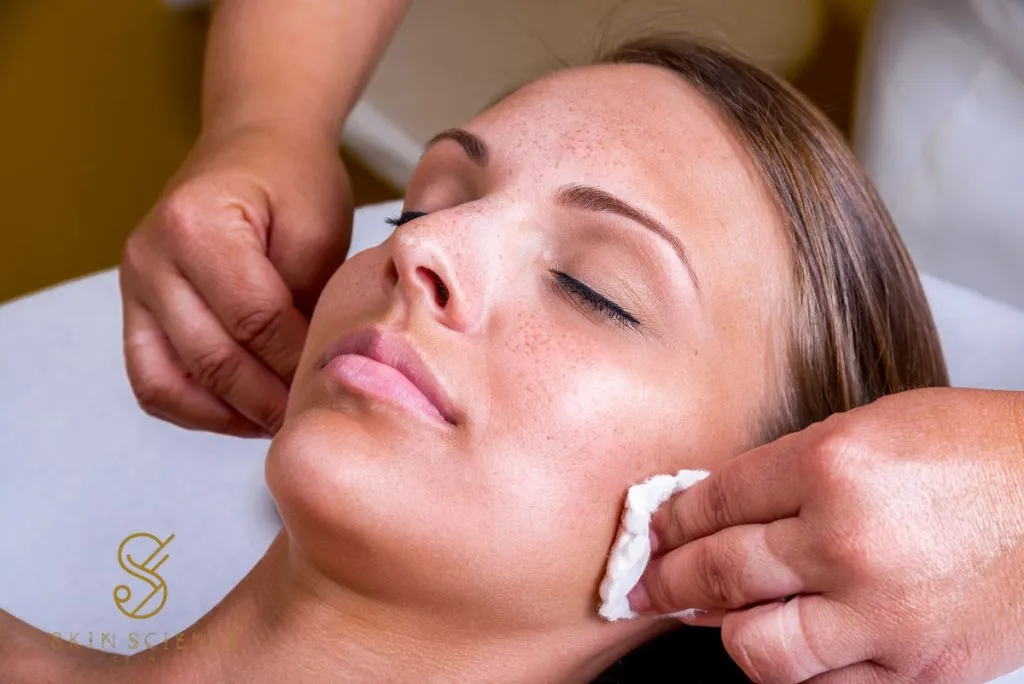
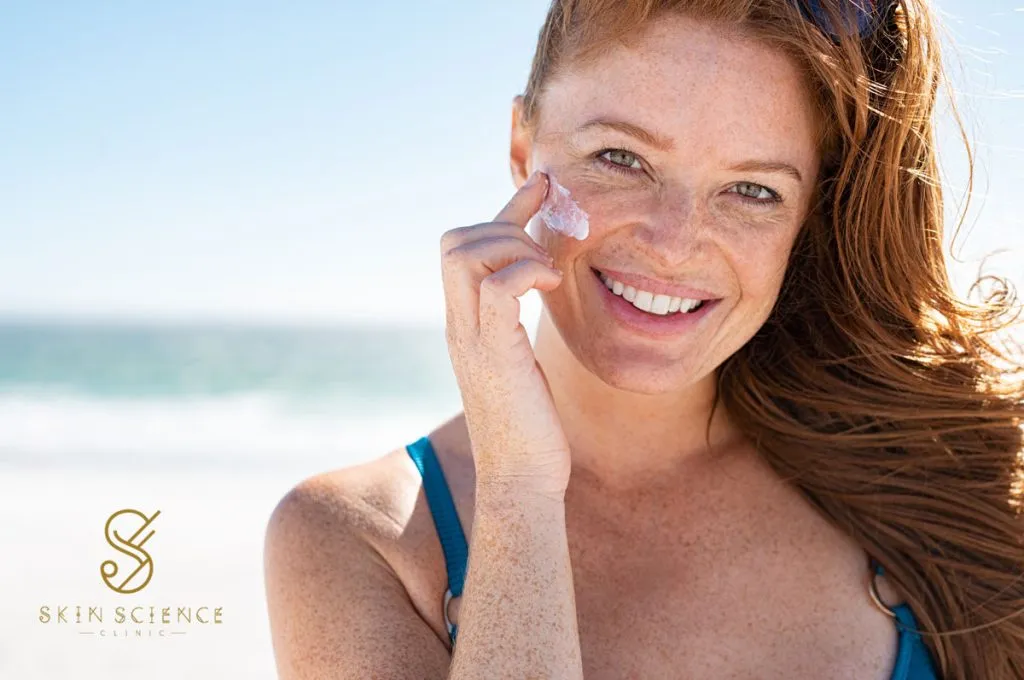
SPF prevents or mitigates melasma by reducing UV-induced oxidative stress, DNA damage, and inflammation, thereby inhibiting the stimulation and activity of melanocytes responsible for pigment production. Regular use of broad-spectrum sunscreen and avoiding excessive sun exposure can prevent the worsening of melasma.
Our Recommendation
Skin Science Clinic‘s favourite treatments for melasma are MOXI laser and VI Peel. However, consulting with our team before starting any treatment is essential. Our skin experts can thoroughly assess and recommend the best course of action based on your specific pigmentation concerns.

The Science Behind Melasma
Although the pathogenesis of melasma is not entirely understood, it is generally accepted to be multifactorial, involving a combination of intrinsic and extrinsic factors. At its core, melasma manifests as an overproduction of melanin, the pigment responsible for the colour of our skin, hair, and eyes. This overproduction occurs in specialised skin cells known as melanocytes. When these cells are stimulated by factors such as ultraviolet (UV) light or hormonal fluctuations, they produce excess melanin, leading to the characteristic dark patches of melasma.
Causes of Melasma
Several factors can trigger melasma, but the most common ones include:Sun Exposure: UV light from the sun is one of the most significant triggers of melasma. Sunlight stimulates melanocytes, causing them to produce more melanin. For this reason, the condition worsens in the summer and improves in the winter months.Hormonal Changes: Hormonal fluctuations, especially those associated with pregnancy or oral contraceptive use, can cause melasma. For this reason, the condition is more prevalent among women.Genetics: A family history of melasma can increase your risk of developing the condition. Specific gene polymorphisms related to melanin production are currently under investigation.Medications: Certain drugs, like antimalarial medications, can induce melasma.Stress: Although not well-studied, psychological stress has been anecdotally reported to worsen melasma, potentially by releasing melanocyte-stimulating hormones.Nutritional Deficiencies: While not a primary cause, deficiencies in certain vitamins and minerals like folic acid and iron have been suggested as possible contributors to melasma, especially in pregnant women.
In conclusion
While melasma is a common skin disorder, advancements in science and medicine have provided several effective treatments.At Skin Science Clinic, we have an unyielding commitment to medical excellence. We continue to strive for better understanding and treatment options for conditions like melasma, enhancing the quality of life for those affected.
Treatments for melasma
Which of these suits you depends on your skin and your history. Dr Sarwar confirms the plan at consultation.
ENQUIRY FORM
Have a question about melasma? Send us a message and we will come back to you.
Central London Skin Clinic