
Botox Eyebrow Lift
A subtle enhancement can brighten your overall appearance, refresh tired eyes, and restore confidence in your look.
Botox Brow Lift in Central LondonBy Dr Adil Sarwar · MBBS, BSc, MRCGPGMC Registered Doctor — GMC No. 7085079

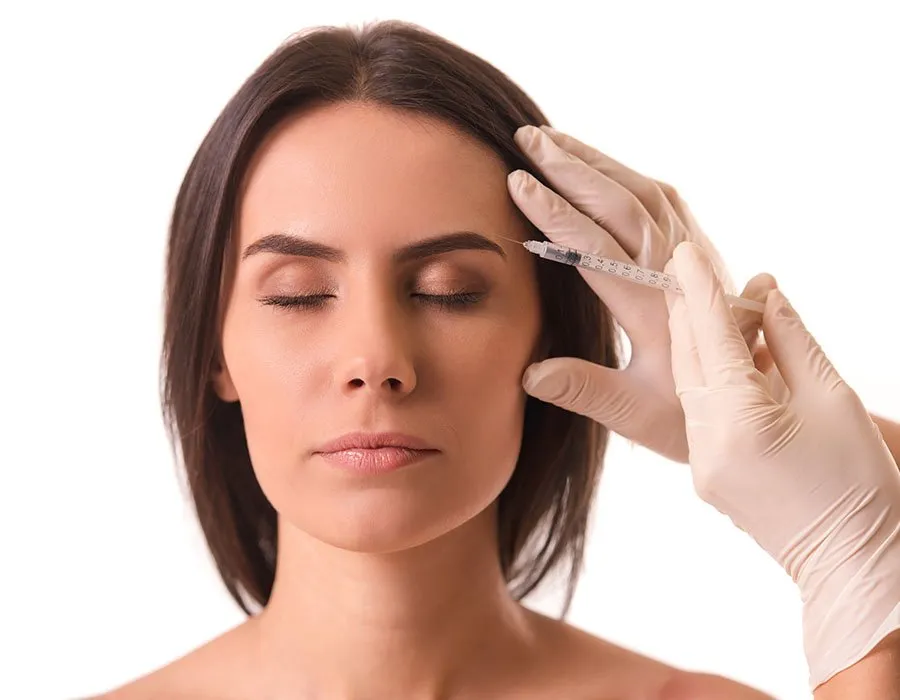
What is a Botox Brow Lift?
A Botox Brow Lift is a non-surgical procedure designed to elevate and reshape the brows for a refreshed, youthful appearance. By relaxing targeted muscles, this treatment enhances the natural contours of the face, brightens the eye area, and softens frown lines or sagging brows
- How Does it Work?
- The procedure works by relaxing specific muscles that pull the brows downward, such as the orbicularis oculi and depressor muscles. This allows the upward pull of the forehead muscles to lift the brows gently.
- Why Consider a Brow Lift?
- A brow lift can address aesthetic and functional concerns associated with the natural ageing process or individual anatomy. Over time, factors such as reduced skin elasticity and gravity can cause the brows to sag, leading to a tired, stern, or aged appearance. A brow lift offers a solution by rejuvenating the upper face, restoring balance, and enhancing overall facial harmony.
Customer Reviews
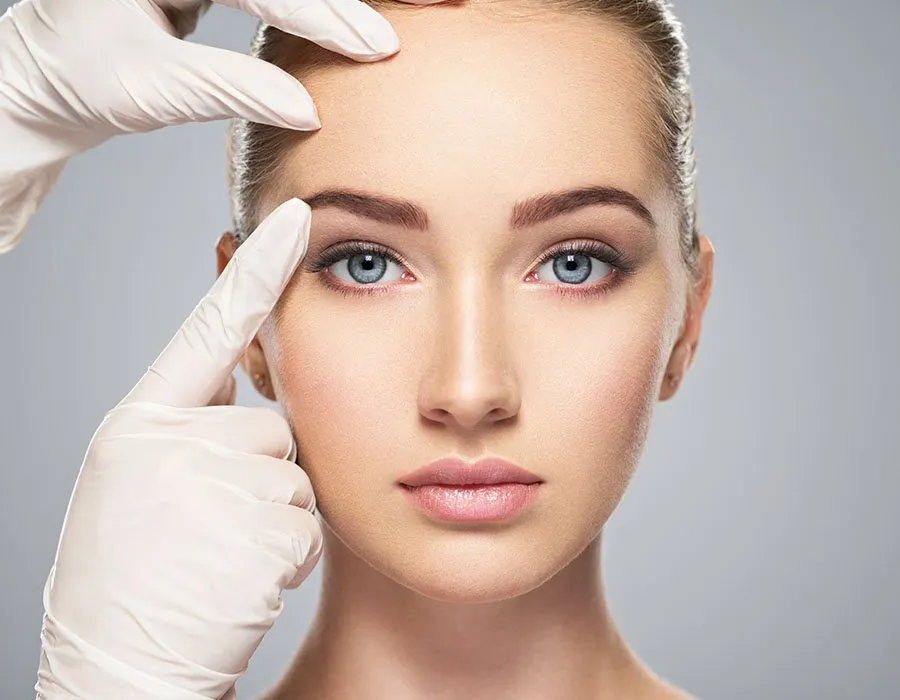
Clinical and Aesthetic Benefits of a Brow Lift
Medical Advantage: Botox may help alleviate mild visual obstruction and reduce dryness by repositioning the brow, allowing for more complete blinking and improved tear distribution.
Correcting Brow Sagging: Drooping brows can lead to a heavy or hooded appearance that may affect vision and overall facial aesthetics.
Improving Symmetry: A brow lift can restore balance and enhance facial harmony for those with uneven brow positioning.
Softening Frown Lines: Relaxing tension in the brow area smooths lines and creases, creating a more youthful and relaxed expression.
Enhancing the Eye Area: A lifted brow opens the eyes, creating a brighter, more refreshed appearance.
Boosting Confidence: Small yet impactful enhancements can improve self-esteem, helping you feel more comfortable and confident in your appearance.
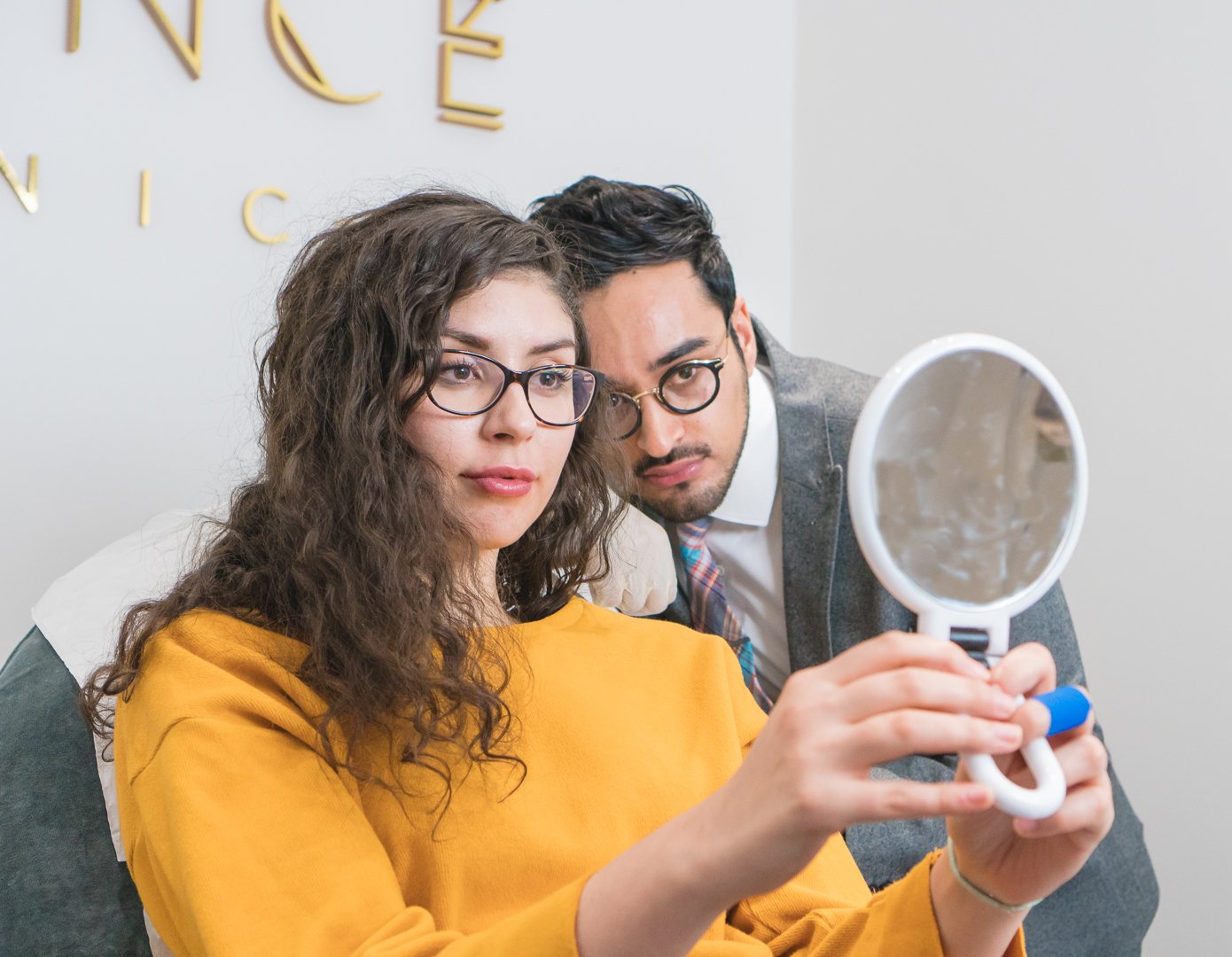
A Common Concern for Brow Lift Patients
Many patients seeking a brow lift at our clinic often present with hooded eyes, a common condition that can impact appearance and functionality. Hooded eyes are characterised by:
Concealed Natural Crease: The skin from the brow bone overlaps the eyelid, partially or fully covering the natural crease and making it less visible.
Hereditary Features: Hooded eyes are often inherited, with patients noting similar eyelid shapes among family members.
Excess Upper Eyelid Skin: When facing a mirror, patients often notice a fold of skin draping over the upper eyelid, creating a ‘hooded’ effect.
Heavy-Lidded Appearance: Hooded eyes can give a naturally ‘sleepy’ or ‘heavy’ look, which may vary in severity from person to person.
Makeup Challenges: Applying eyeliner or eyeshadow can be more difficult, as the upper lid touches the lash line or conceals makeup, leading to smudging or uneven application.
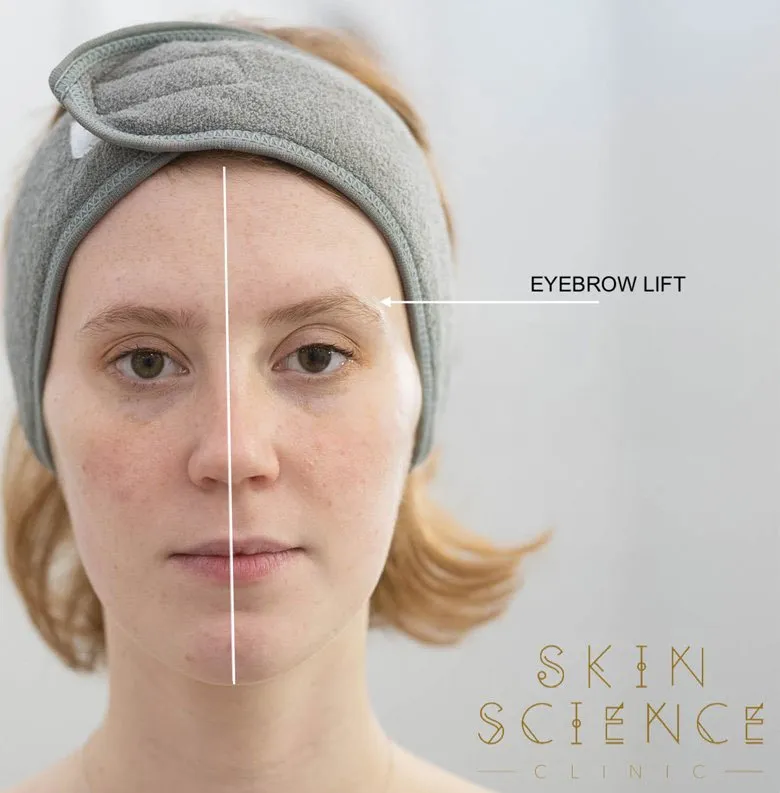
Understanding Hooded Eyes
Hooded eyes occur when the skin of the upper eyelid extends over the natural crease, partially or fully covering it. While often viewed as a cosmetic concern, hooded eyes can present medical challenges. Excess upper eyelid skin may obstruct peripheral vision, leading to difficulties with daily activities such as driving or reading. The added weight of the excess skin can cause eyelid fatigue, eye strain, or discomfort, particularly by the end of the day.
Contributing factors include weakened levator muscles, which control eyelid movement, and conditions like ptosis, where drooping eyelids further exacerbate the issue. Genetics and the natural ageing process, which reduces skin elasticity, are common underlying causes. In severe cases, hooded eyes can interfere with ocular function and quality of life, necessitating intervention.
Treatment options range from non-surgical approaches, such as Botox to gently lift the brow and alleviate mild hooding, to surgical procedures like blepharoplasty, which removes excess skin to restore function and appearance. These treatments aim to address medical concerns while improving overall comfort and vision.
How Can Botox HELP?
Functional Improvement: Botox can alleviate mild visual obstruction by subtly lifting the brows in cases of pronounced eyelid hooding. This gentle elevation reduces excess skin encroaching upon the upper eyelid, creating a more open and unobstructed field of vision. In some cases, this lift can also reduce the risk of dryness, as the eyelids may blink more efficiently, allowing for improved tear distribution.
Aesthetic Enhancement: The lifting effect of Botox in the brow region enhances the appearance of crow’s feet. With the brow softly elevated, less skin is gathering at the outer corners of the eyes, resulting in softened lines and a smoother, more refined look.
Dual Effect: Botox for hooded eyes offers visual clarity and an aesthetic refresh, restoring a rejuvenated and youthful appearance to the periorbital area. Additionally, by improving eyelid positioning, Botox may reduce dryness-related discomfort, contributing to overall ocular comfort.
Understanding the Factors Behind Upper Eyelid Changes
Genetic Predisposition: In some instances, hooded eyes are an inherited trait, where the eyelid structure naturally presents with a more prominent upper eyelid fold. While youthful skin firmness may initially offset this characteristic, age-related skin laxity typically accentuates the hooded appearance over time.
Bell’s Palsy: This neurological condition involves an acute, often unilateral facial nerve paralysis that results in diminished muscle tone on one side of the face. Consequently, affected individuals may experience a downward pull of the brow and eyelid, leading to a hooded effect. Although recovery is expected, residual asymmetry can persist.
Ptosis: Medically referred to as blepharoptosis, is marked by a distinct drooping of the upper eyelid due to levator muscle dysfunction. This condition may be congenital or acquired and is commonly linked to age, trauma, or certain neuromuscular disorders. It can lead to significant hooding, sometimes encroaching on the visual field.
Dermatochalasis: A common age-related condition, refers to the redundancy or sagging of upper eyelid skin caused by gradual collagen and elastin depletion. This condition often imparts a pronounced hooded appearance, and in more advanced cases, may encroach upon peripheral vision, subtly impacting daily activities.
Eyebrow Asymmetry
Eyebrow asymmetry, where one brow sits higher or appears differently shaped than the other, is a common concern that impacts facial balance and harmony. It can result from genetics, habitual facial expressions, or muscle imbalances and is often exacerbated by age-related changes such as reduced skin elasticity. Asymmetry can affect self-esteem, leading to heightened awareness of one’s appearance and, in some cases, appearance-related anxiety.
Botox offers a highly effective, non-surgical solution to address eyebrow asymmetry. By targeting specific muscles, Botox can relax overactive ones or elevate a lower brow, restoring a more balanced and symmetrical appearance. This treatment improves aesthetics and boosts confidence by enhancing facial harmony.
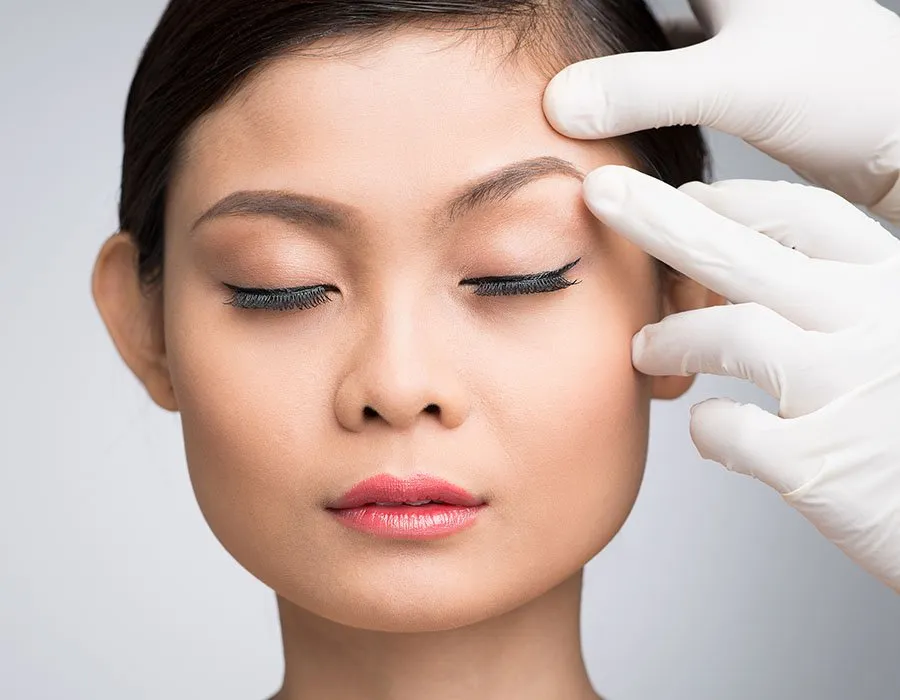
Bell’s Palsy and Eyebrow Asymmetry
Bell’s Palsy causes temporary paralysis or weakness on one side of the face due to facial nerve inflammation. This often leads to drooping of the brow and eyelid, creating noticeable asymmetry and a hooded appearance.
Botox can help restore balance by relaxing overactive muscles on the unaffected side and reducing tightness or spasms in the affected muscles.
While not a cure, Botox offers an effective way to improve symmetry and enhance comfort for patients experiencing residual effects of Bell’s Palsy.
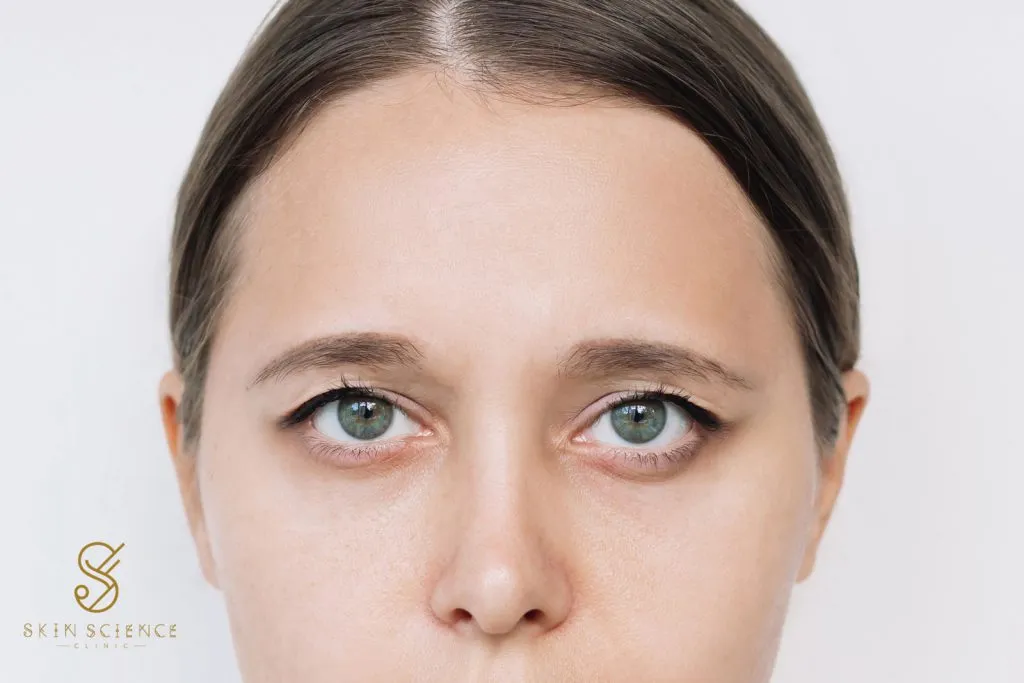
Ptosis and Its Connection to Botox
Ptosis, or blepharoptosis, is a condition characterised by drooping of the upper eyelid due to weakened or dysfunctional levator muscles. When ptosis occurs on one side (unilateral ptosis), it often leads to compensatory eyebrow-raising on the affected side, further accentuating asymmetry. In mild cases, ptosis can contribute to a hooded or heavy eyelid appearance, impacting vision or creating a tired look.
A Botox Brow Lift can help manage mild ptosis by subtly lifting the brow, alleviating the compensatory movements that cause further imbalance. While Botox cannot address the underlying muscle dysfunction, it can significantly improve the appearance of asymmetry and provide a more refreshed, open look to the eye area. Botox may serve as an adjunct treatment for more severe cases of ptosis, with surgical correction being the primary intervention.
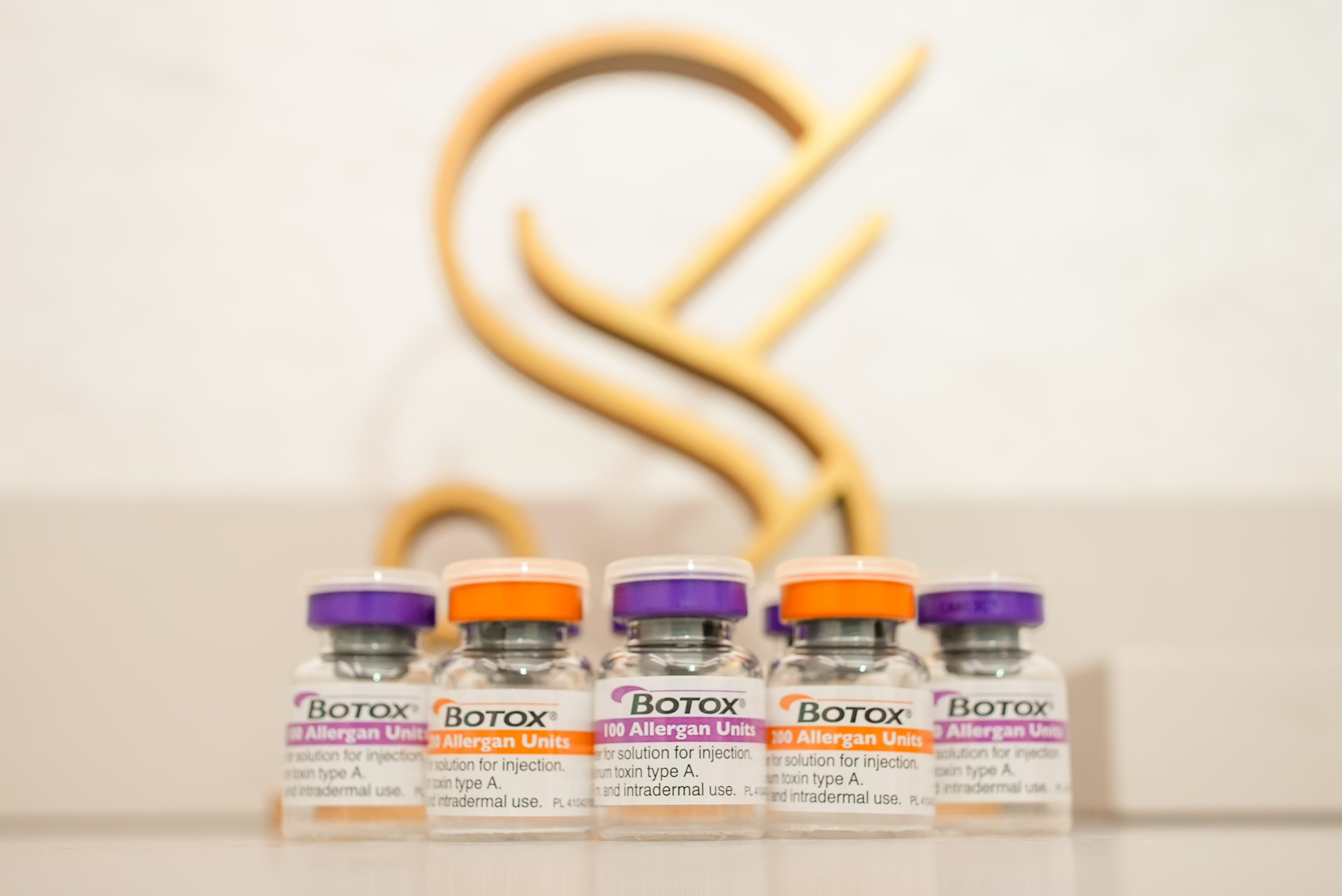
Redefining Confidence Through a Brow Lift
A brow lift is more than a cosmetic procedure—a meaningful intervention for enhancing appearance and emotional well-being. By elevating the brows and opening the eye area, this treatment addresses the physical signs of ageing that can inadvertently project fatigue, sadness, or frustration.
The result is a refreshed, balanced look that aligns with a person’s natural energy and self-perception. Beyond aesthetics, the transformation often reduces appearance-related anxiety and instils a renewed sense of confidence, improving interpersonal dynamics and professional presence. For many, a brow lift is not simply about looking younger but reclaiming a sense of control and assurance in their overall presentation.
Botox BROW LIFT PROCEDURE
Your safety is our utmost priority. We offer dedicated 24-hour treatment support, ensuring unparalleled care and peace of mind.
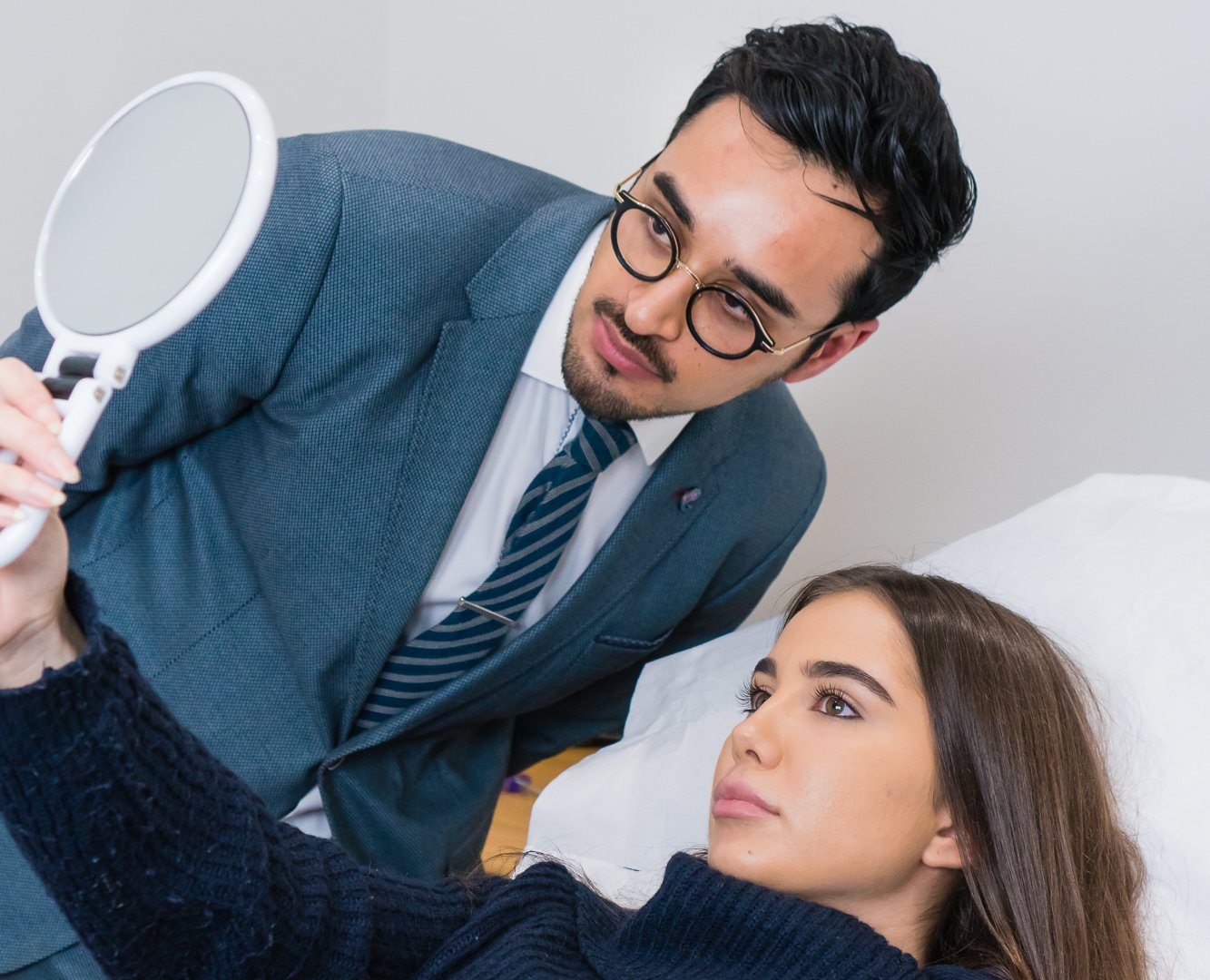
- Personalised Consultation
- Your journey begins with a comprehensive consultation with Dr Sarwar, who assesses medical and aesthetic needs. He will create a treatment plan designed to meet your individual goals.
- Targeted Treatment Design
- Injection points are strategically selected to maximise results, focusing on areas to reduce discomfort and enhance natural features based on your specific needs.
- Preparation of the Treatment Area
- The treatment areas are carefully cleansed, and a numbing cream may be applied for added comfort.
- Precision Injections
- Dr Sarwar administers the targeted areas using a premium, medical-grade micro-needle.
- Aftercare and Clinical Review
- Dr Sarwar provides thorough aftercare guidance to support the best possible results, ensuring you feel confident and informed post-treatment. A follow-up clinical review is encouraged and offered within two weeks to assess your progress and perform any adjustments needed for an optimal outcome.
Potential Side Effects of Hooded Eyes Botox
Mild Bruising or Swelling: Temporary at the injection site.
Tenderness or Discomfort: Typically subsides within a day or two.
Eyelid Drooping: Rare and temporary, resolving within weeks.
Headache or Mild Flu Symptoms: Uncommon and short-lived.
Dry Eyes or Excess Tearing: Occasionally experienced, usually mild.
These effects are generally brief, and Botox is well-tolerated by most patients.
In all instances, we encourage patients to seek the counsel of their GP for a second opinion, ensuring a well-rounded perspective and complete confidence in their treatment decisions.
Skin Science Clinic London
Frequently Asked Questions: BOTOX EYEBROW LIFT
Botox at Skin Science Clinic London
OTHER BOTOX TREATMENTS
BOTOX BROW LIFT ENQUIRY FORM
Book your one-on-one consultation with founder Dr Adil Sarwar at Skin Science Clinic, London.
Central London Skin Clinic