
Interview
An Interview with Dr Adil Sarwar
Founder & Medical Director, Skin Science Clinic
Twelve questions on the route from an NHS vascular unit to a Connaught Street clinic — why every appointment is deliberately unhurried, why botulinum toxin is as much a medical tool as a cosmetic one, and why he is comfortable telling a patient no.
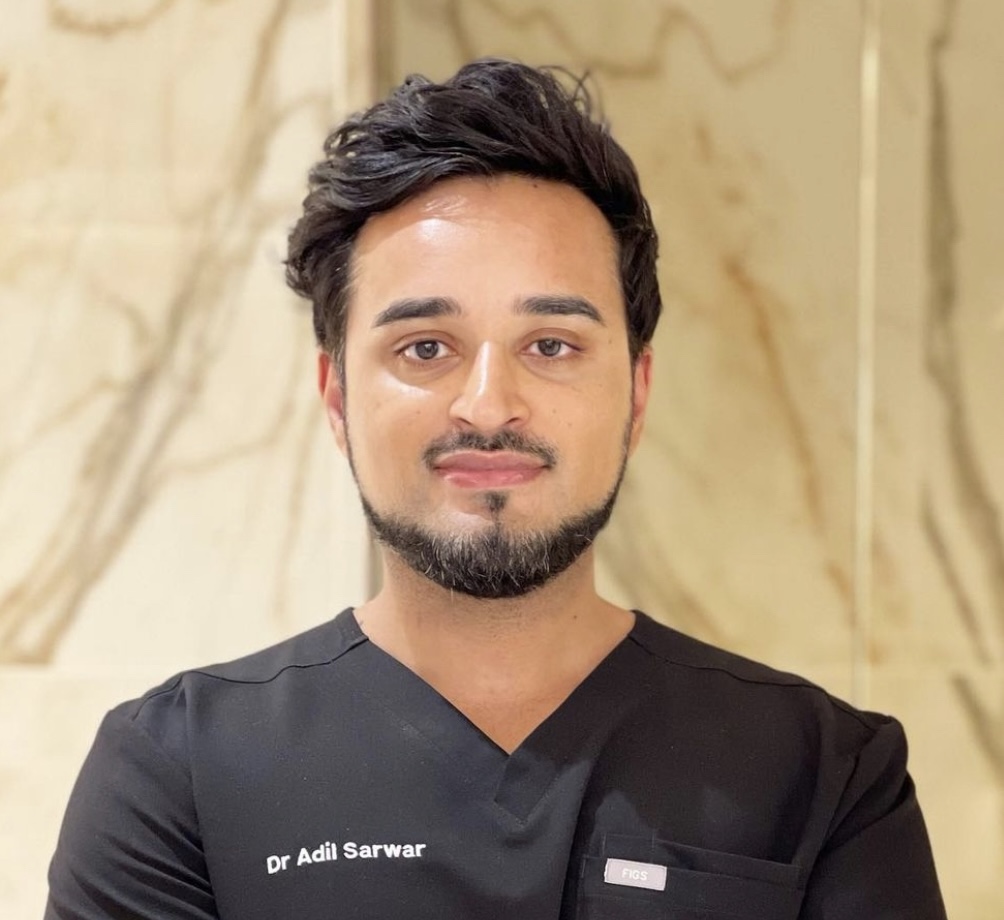
Dr Sarwar, could you share a little about your journey into aesthetic medicine and what inspired the creation of Skin Science Clinic?
My journey into aesthetic medicine began in 2004, during my first post as a Foundation Doctor in a vascular surgery unit. I spent a great deal of time caring for patients in the hyperhidrosis clinic, and it was there that I first saw how a small, precise medical treatment could genuinely transform someone's day-to-day life. Patients would return to say how relieved they felt, how their confidence had lifted, or how their anxiety had eased — and that stayed with me.
I realised quite early that I was drawn to areas of medicine where careful technique meets meaningful personal impact. That combination — empathy, precision, and the ability to help someone feel more comfortable in their own skin — resonated deeply. As I progressed in my training, I sought out procedural experience in aesthetics and discovered how fulfilling it was to work closely with patients on both functional and appearance-related concerns.
By 32, I felt ready to build a clinic grounded in the values I cared about most: time, attentiveness, honesty, and consistently safe, thoughtful practice. I wanted to create a calm, peaceful space where patients felt looked after from the moment they arrived, and where nothing was rushed. That vision became Skin Science Clinic.
Your background includes years of NHS experience before founding the clinic. How has your medical training influenced your approach to aesthetics today?
My NHS training shaped almost everything about how I practise today. Working across general medicine, surgery, psychiatry, and emergency medicine taught me to listen carefully, think diagnostically, communicate clearly, and approach every patient as an individual with their own hopes, anxieties, and circumstances.
It also instilled an understanding that aesthetics is not simply about appearance — it's about wellbeing, trust, and long-term care. The diagnostic skills, anatomical knowledge, and sense of responsibility I developed in the NHS underpin every decision I make. They guide when to treat, when not to treat, and how to create a plan that is safe, proportionate, and truly in someone's best interest.
Above all, my NHS background taught me humility: that good medicine starts with understanding the person in front of you.
You're known for incorporating mental-health screening into your consultation process. Why do you feel this is such an important component of aesthetic practice?
Aesthetic medicine and emotional well-being are closely linked. When a patient comes to see me, I want to understand not only what they would like to change, but why. Taking the time to explore motivations helps me ensure that their goals are realistic, healthy, and aligned with who they are.
This isn't about creating barriers — it's about supporting people properly. When the psychological and aesthetic aspects are in harmony, treatments can genuinely enhance confidence. But if someone is seeking change for reasons that are emotionally complex, it's important to recognise that and guide them gently.
Ultimately, my role is to care for the whole person, not just the area being treated.
Botox is often associated with cosmetic enhancement, yet you also use it to treat medical conditions such as bruxism and chronic migraines. Could you tell us more about this aspect of your work?
The therapeutic side of botulinum toxin is incredibly meaningful to me. Treating bruxism, for example, can help reduce jaw tension, protect the teeth, ease pain, and even improve sleep — patients often describe it as life-changing. The same is true for chronic migraines, where targeted treatment protocols can significantly reduce frequency and severity.
Alongside these, we treat a range of other medical concerns with botulinum toxin. What I find most rewarding is seeing how much these interventions can improve someone's quality of life. It's a reminder that aesthetic medicine is still, at its core, medicine.
Science underpins everything we do — evidence, clarity, and a deep respect for anatomy.
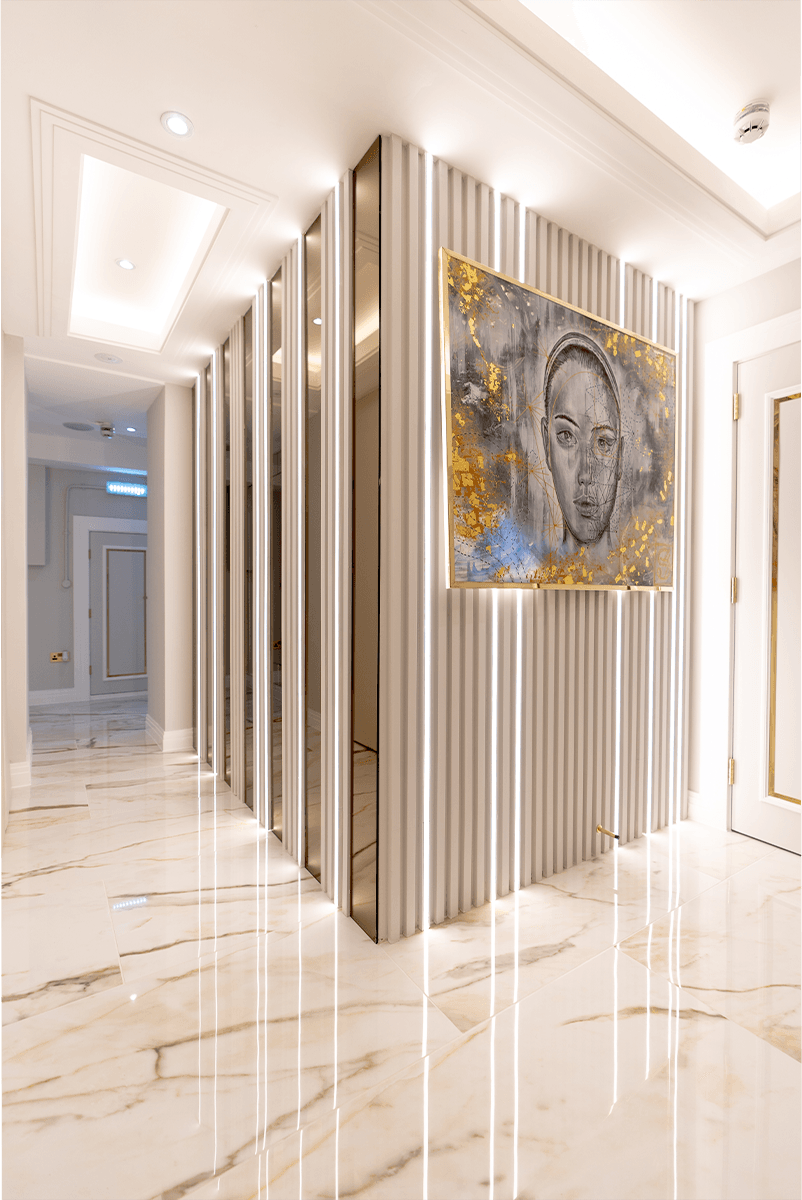
The name Skin Science Clinic suggests a scientific foundation. What does “science” mean to you in the context of aesthetic practice?
“Science” represents a commitment to evidence-based practice, careful assessment, and ongoing refinement of technique. Every treatment we offer — whether injectable, laser-based, or device-led — is grounded in research, measured outcomes, and a clear understanding of how that treatment interacts with the skin and underlying anatomy.
Science was always a subject I felt naturally drawn to, even from a young age, and that curiosity has stayed with me throughout my medical career. It also shapes how selective I am about the materials and products we use. For example, when it comes to injectable treatments, we use original Allergan Botox, the Juvederm Vycross filler range, and high-quality anaesthesia — all sourced exclusively from authorised distributors. These choices are deliberate, because they offer the consistency and safety that patients deserve.
Ultimately, science provides the structure and clarity that allow aesthetic medicine to be practised thoughtfully, responsibly, and with a deep respect for anatomy. It ensures that the work remains a medical discipline rather than a trend-driven service.
With so much new technology entering the aesthetic market, how do you decide which treatments or devices to introduce?
I'm very selective about introducing new technology. Trends come and go, but what matters is whether something genuinely benefits patients. Before adding anything to the clinic, I look for strong scientific evidence, long-term safety data, and results that stand up to scrutiny.
If a device or treatment doesn't meaningfully improve outcomes or fit naturally within the pathways we already trust, we simply don't adopt it. When we do bring something in, we invest heavily in training and protocol development so that every patient receives the same standard of care.
It's a measured approach, but it means that everything we offer is something I genuinely believe in.
How does your appointment style differ from other clinics?
Time is one of the principles I value most. We keep our schedule intentionally spacious. By refusing to overbook, we guarantee that every appointment feels unhurried, personal, and focused entirely on the patient. It means we sometimes lose potential appointments, but it allows us to protect something far more important: a calm, focused, safe clinical environment.
When the clinic is quiet and unhurried, patients feel looked after, and practitioners can give their full attention to detail and decision-making. Aesthetic medicine involves delicate work — precision injections, laser treatments, and assessments that require clear thinking. Rushing compromises quality, and that's something I'm not willing to risk.
To support safety further, every patient receives access to a 24/7 emergency contact number, so even when the clinic is closed, they can reach us immediately if needed. That continuity of care is central to how we practise.
What is your approach to consultation — particularly in helping patients understand what is appropriate for them?
My consultations are conversational and collaborative. I start by understanding the patient's concerns in their own words — not just what they want to change, but how they feel about it. I then carry out a detailed facial assessment, sometimes using historical photographs to help us both understand how features have evolved over time.
From there, I explain what treatments can realistically achieve, what would look natural, and what might not be advisable. I take my time, use visual explanations, and always encourage questions. Patients should feel informed and supported, not overwhelmed or pressured.
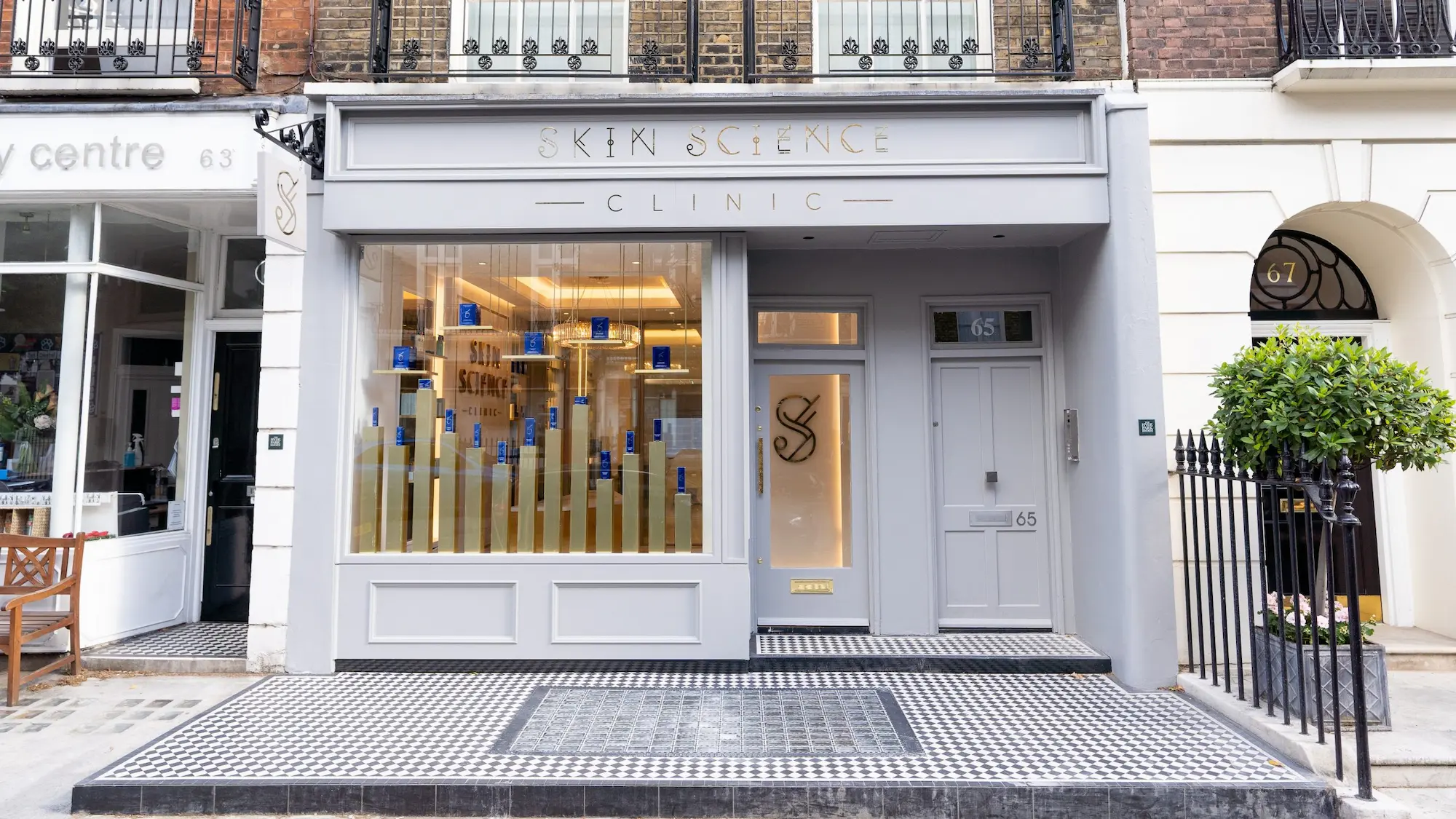
I'm not afraid to say no when a treatment isn't in a patient's best interest.
Ethics in aesthetic medicine are becoming an increasingly important topic. How do you ensure integrity and patient safety remain central to your practice?
Ethical practice in aesthetics begins with responsibility. My role is not only to deliver treatments well, but to protect patients from anything unnecessary, unsafe, or unsuitable for their goals. I believe strongly in clear boundaries, and I am comfortable saying no when a treatment isn't in someone's best interest — even if it is something they initially came in asking for.
Safety is built into every part of the clinic. We use only authorised, medically regulated products from reputable distributors, and we follow structured, evidence-based protocols for all treatments. Thorough documentation, regular audit, and continued professional development ensure that our standards remain consistent and accountable.
I also think accessibility is an important part of ethical care, which is why every patient is given a 24/7 emergency contact number. Even outside clinic hours, patients can reach us quickly if they have a concern.
At its heart, ethical practice is about putting people before procedures. It means being honest, thoughtful, and medically grounded in every decision — ensuring that patients always feel safe, respected, and fully supported.
Skin Science Clinic is known for loyal, long-standing patients. What do you believe drives that loyalty?
I think patients return because they trust that the clinic is a calm, honest, and thoughtful environment. The majority of my patients have been with me for years, and they know they will never be rushed, oversold, or encouraged towards anything unnecessary.
Loyalty develops naturally when patients feel safe, respected, and genuinely heard.
In an age when many aesthetic clinics rely heavily on social media, Skin Science Clinic maintains a quieter online presence. Could you share the reasoning behind this approach?
I've always felt that aesthetic medicine is fundamentally a medical speciality. Commenting on someone's appearance without their consent doesn't align with my values or with the professionalism the field deserves.
We keep our online presence minimal because most of our time is spent where it should be — with patients, delivering care. We prefer our results, relationships, and reputation to speak for themselves.
Patients come to us for expertise, discretion, and integrity. Those qualities can be diluted by constant content creation, so we choose a quieter, more focused approach.
Outside of your clinical work, what do you enjoy doing in your personal time?
Outside the clinic, I'm deeply connected to the arts. I have a strong interest in modern and contemporary art, and I spend much of my free time visiting galleries and museums across London. Over the years, this has grown into a small personal collection that reflects my appreciation for thoughtful design and creativity.
More about Dr Sarwar
His qualifications, training and career in full — and the condition guides he writes and clinically reviews.
ENQUIRY FORM
Have a question for Dr Sarwar? Send us a message and we will come back to you.
Central London Skin Clinic