
Face condition
Rosacea
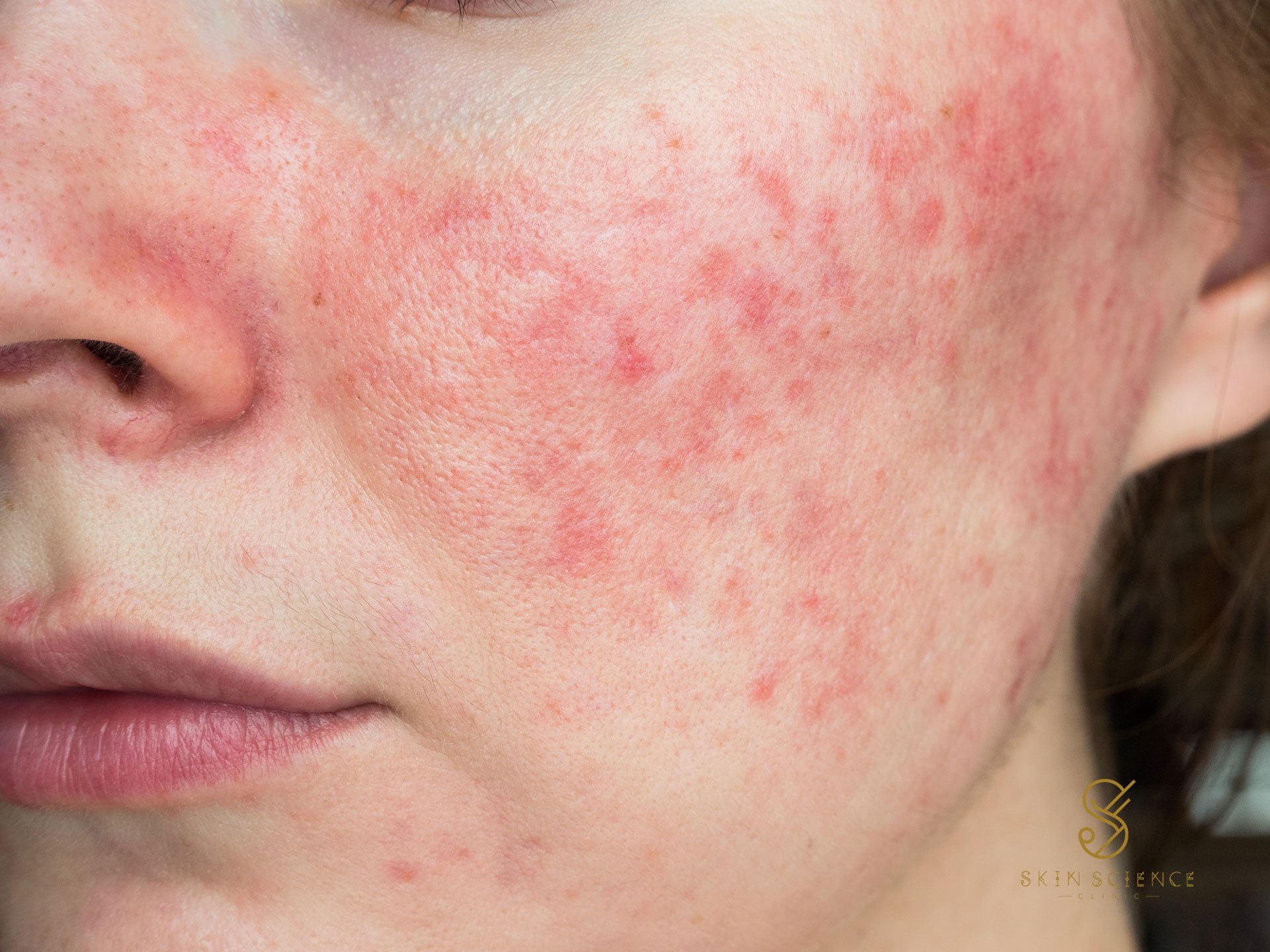
Rosacea is a persistent skin condition impacting millions globally, marked by distinct facial redness, swelling, and evident blood vessels.
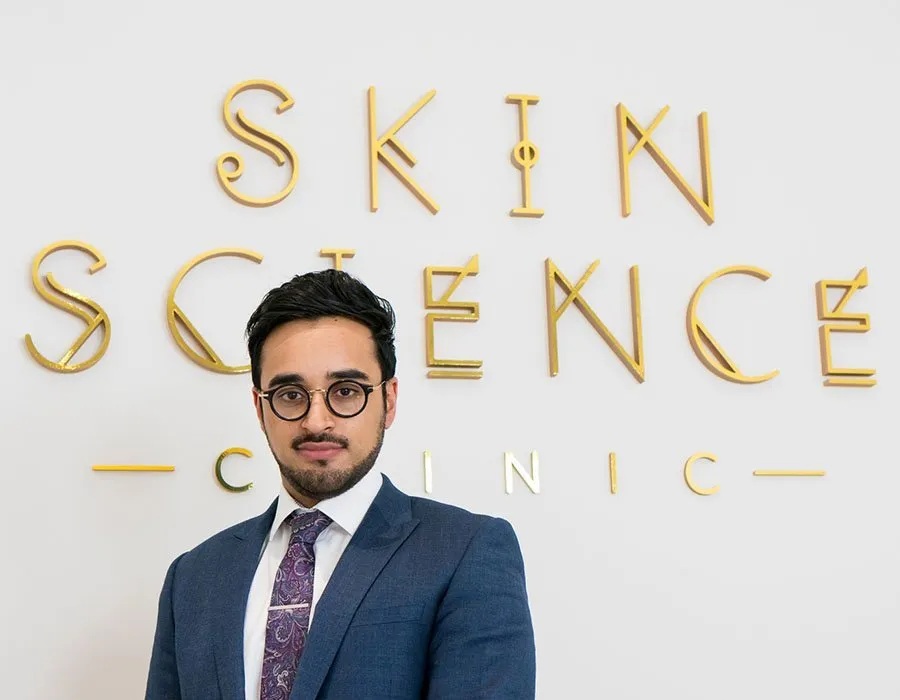
Written and clinically reviewed by Dr Adil Sarwar MBBS, BSc, MRCGP
At a glance
Common signs
- Persistent facial redness
- Visible blood vessels
- Small red or pus-filled bumps
- Swelling and flushing
Common triggers
- Sun exposure
- Heat, alcohol and spicy food
- Emotional stress
- Harsh skincare
Treated with
Understanding Rosacea: A Guide from Dr Sarwar (MBBS, BSc, MRCGP)
Often accompanied by small, red, pus-filled bumps, rosacea symptoms can intensify for weeks to months before receding.
Despite its prevalence, the root causes of rosacea elude definitive understanding, though genetic and environmental factors are thought to synergise in its development.
Medications for rosecea
We recommend creams formulated with the latest in skincare science. These creams are designed to soothe inflammation, reduce redness, and fortify the skin’s natural barrier, providing immediate relief and continuous protection against flare-ups. For moderate to severe cases, antibiotics offer a powerful weapon against the bacteria and inflammation contributing to rosacea. Dr Sarwar will select the most effective antibiotic regimen to ensure a comfortable and successful treatment process.
Breakthrough BBL Laser Therapy
The most revolutionary tool in our arsenal is the BBL laser.
This state-of-the-art technology delivers targeted light energy to the affected areas, significantly reducing the appearance of blood vessels and redness. It offers cosmetic improvement, and our patients report substantially reduced discomfort, itching, and burning sensations associated with rosacea.
The efficacy of BBL laser therapy in managing rosacea marks a significant advancement in treatment options and embodies our commitment to leveraging technology for better patient outcomes.
Lifestyle Adjustments To Help Manage Rosaeca
Identifying and avoiding known triggers is pivotal in managing rosacea. These triggers include sun exposure, stress, hot weather, wind, heavy exercise, alcohol consumption, spicy foods, and certain skincare products. Consistent use of sunscreen and protective clothing is crucial. Incorporating relaxation techniques and stress management practices into your routine can also help. Additionally, dietary considerations, such as avoiding hot drinks and spicy foods, can prevent flare-ups.
Skincare Regimen
Opting for gentle skincare products devoid of irritants is crucial. Use products labeled as non-comedogenic and designed for sensitive skin. Avoid alcohol-based products, exfoliants, and fragrances that can irritate the skin. Always patch-test new products before full application.
Common questions
Rosacea commonly affects adults aged 30-50, especially those with fair skin, blonde hair, and blue eyes. It is more prevalent among women, but men with rosacea often experience more severe symptoms.
The exact cause of rosacea is unknown, but it may involve a combination of genetic, environmental, and vascular factors. Triggers can include sun exposure, stress, hot weather, wind, heavy exercise, alcohol consumption, spicy foods, and certain skincare products.
Common symptoms include persistent redness, swelling, visible blood vessels (telangiectasia), acne-like breakouts, a burning or stinging sensation, and in severe cases, thickened skin, particularly around the nose.
There is currently no cure for rosacea, but it can be effectively managed with a combination of treatments, including topical and oral medications, laser therapy, and lifestyle changes to avoid triggers.
Treatments include topical medications like metronidazole, azelaic acid, and ivermectin, oral medications such as antibiotics like doxycycline and tetracycline, laser therapy to reduce redness and visible blood vessels, and skincare involving gentle cleansers and moisturisers designed for sensitive skin.
Use products labeled as non-comedogenic and designed for sensitive skin. Avoid alcohol-based products, exfoliants, and fragrances that can irritate the skin. Always patch-test new products before full application.
Treatments for rosacea
Which of these suits you depends on your skin and your history. Dr Sarwar confirms the plan at consultation.
ENQUIRY FORM
Have a question about rosacea? Send us a message and we will come back to you.
Central London Skin Clinic