
Managing underarm sweating: 15 years of treating hyperhidrosis
One of my earliest roles after qualifying from medical school was in the vascular surgery department at Lewisham Hospital, where I had the privilege of working under Mr. Aaron Sweeney, a highly respected consultant vascular surgeon. It was an intense and formative environment—one that shaped not only my medical approach but also…
GMC Registered Doctor — GMC No. 7085079

Introduction
HYPERHIDROSIS WITH BOTOX
Among my responsibilities was running the hospital’s dedicated hyperhidrosis clinic
I still vividly remember Mr Sweeney introducing me to the concept of hyperhidrosis, explaining that although it was often under-recognised, it could be profoundly debilitating—and importantly, it was treatable with Botox.
There I was, a newly qualified junior doctor, reconstituting and injecting Botox for the very first time. At that stage in my training, I hadn’t anticipated this would be part of my remit. But in retrospect, it was a pivotal moment because that first experience set the foundation for what would become a major focus in my clinical career.
Before we dive into the specifics of how I approach treatment, here’s a short video of me performing Botox injections for underarm sweating—filmed over ten years ago. I looked a little younger then(!), but aside from that, not much has changed. I’ve been treating hyperhidrosis—and consistently improving my techniques—ever since.
While seeing patients in that clinic, I began to understand just how devastating hyperhidrosis can be, not just physically, but psychologically and socially. Many of the patients I saw opened up about how the condition affected their work, personal lives, relationships, and overall self-confidence. Some avoided social settings entirely. Others brought spare clothes to work to change midway through the day. The emotional impact was undeniable.
To this day, I believe Botox for hyperhidrosis should be routinely offered under the NHS
The benefits go far beyond reducing sweating—it gives patients their lives back. I recently read about a young man in the United States who tragically took his own life, in part due to the overwhelming psychological distress caused by his untreated hyperhidrosis. It reaffirmed how important it is to recognise and treat this condition with the seriousness it deserves.
It was in that very clinic at Lewisham where I first encountered the therapeutic potential of Botox—not for cosmetic reasons, but for improving quality of life in a meaningful, medical context. Little did I know, this would be the beginning of thousands of Botox procedures I’d go on to perform in the years ahead.

The principles I follow
Consultation and Diagnosis
Before I consider using Botox to treat underarm sweating, I always ensure there is no underlying medical cause. As a doctor, this step is essential—there’s little value in Botox if the excessive sweating is a symptom of something else that can be medically addressed.
During the consultation, I take a thorough history and assess whether further investigation is needed. In some cases, I may recommend blood tests before proceeding with treatment. This ensures that I’m treating the condition safely, ethically, and in a way that’s tailored to the individual patient.
Anaesthesia and Patient Comfort
During my time working in the NHS, anaesthetic options for underarm Botox were often limited. At times, patients had no anaesthesia at all—and understandably found the procedure very painful. On other occasions, we had access to EMLA, a topical cream applied 30 minutes before the procedure. It helped, but many patients still found the treatment uncomfortable.
To improve the experience for my own patients, I developed a bespoke anaesthetic gel. It’s not an industry secret, but many clinics avoid using it due to cost. For me, patient comfort is non-negotiable.
The difference this has made is remarkable. The vast majority of my patients now describe the treatment as pain-free, which gives me enormous satisfaction. Pain management should never be compromised in any medical procedure—especially one that can otherwise be very tolerable.
Needle Size Matters
Small details can make a big difference. I always use a 32G BD needle for treating hyperhidrosis. It’s ultra-fine and significantly reduces discomfort. It’s one of several small choices that together help ensure the best possible patient experience.

Botox Type and Dosage
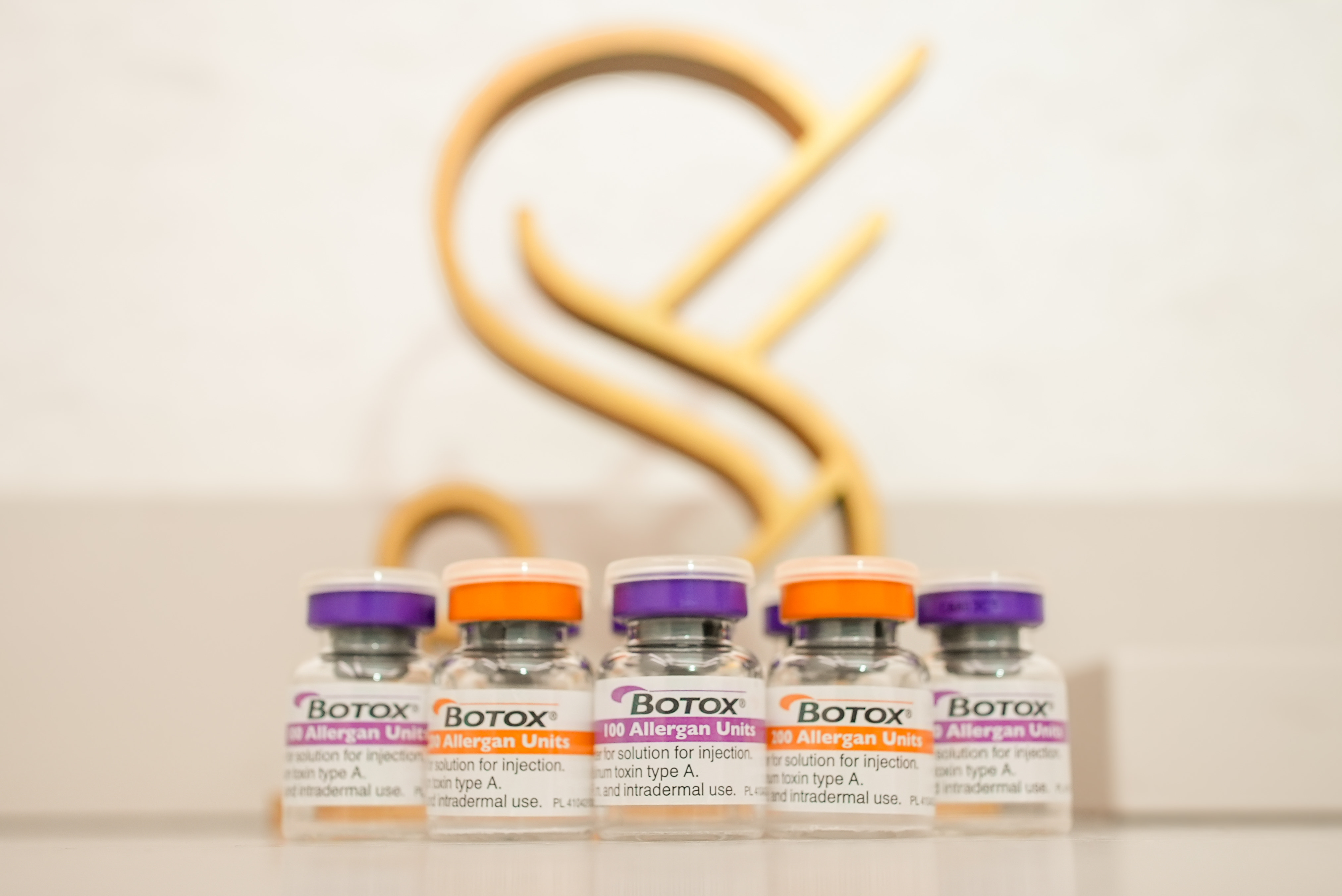
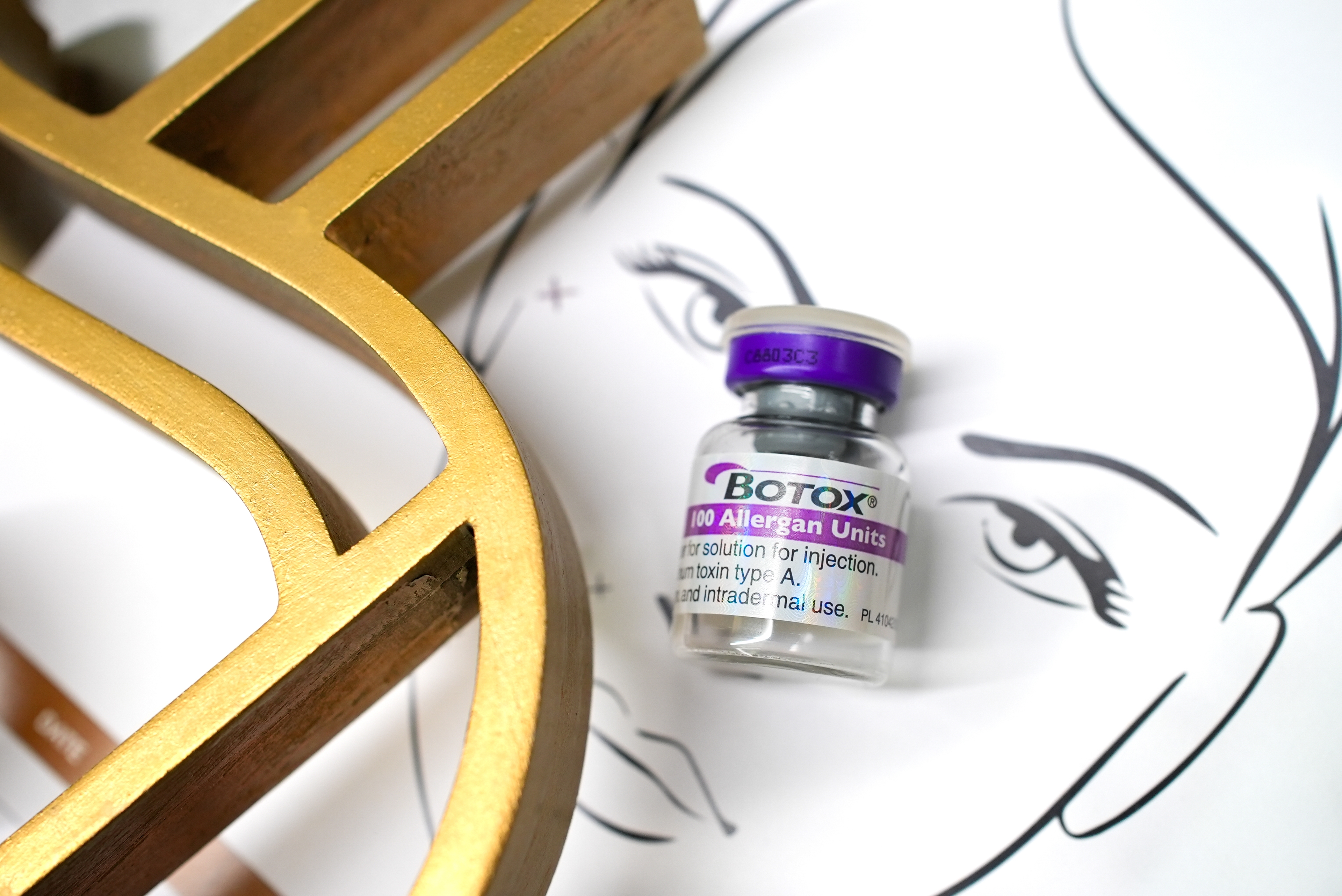
Just as I do with facial Botox, I use the original Allergan Botox for treating excessive underarm sweating. I’ve found it delivers the best longevity and consistency in results.
There is some debate over the ideal dose. Allergan recommends 50 units per axilla, but some practitioners believe 75 or even 100 units can produce longer-lasting results. I’ve trialled those higher doses myself, and while they’re safe, they come at a higher cost to the patient.
Several years ago, I conducted my own internal review at the clinic, comparing outcomes across 50, 75, and 100-unit doses. The results showed only a minimal difference in longevity. Since then, I’ve chosen to stick with the 50-unit dose per axilla. It’s clinically effective and more cost-efficient for patients.
It’s also worth noting that it’s not just the dosage that matters—how the drug is diluted plays a critical role as well. From my experience, over-dilution of Botox can significantly compromise results. Precision in both dosing and dilution is key to achieving optimal, long-lasting outcomes.
That said, if a patient prefers a higher dose, I’m always happy to accommodate, and I’ll explain any additional cost involved in advance.
Psychological Impact and Holistic Care
One of the most overlooked aspects of hyperhidrosis is its psychological toll. It’s easy to dismiss underarm sweating as a minor inconvenience, but for many patients, the condition can lead to profound emotional distress. I’ve treated patients who’ve struggled with social anxiety, withdrawn from personal relationships, or even experienced clinical depression as a result of their symptoms.
Psychological Impact and Holistic Care
One of the most overlooked aspects of hyperhidrosis is its psychological toll. It’s easy to dismiss underarm sweating as a minor inconvenience, but for many patients, the condition can lead to profound emotional distress. I’ve treated patients who’ve struggled with social anxiety, withdrawn from personal relationships, or even experienced clinical depression as a result of their symptoms.
It’s not uncommon for individuals to avoid work meetings, social events, or even intimacy—all because they’re afraid of visible sweat patches or the stigma attached to excessive sweating. Over time, this can have a significant impact on mental health and self-esteem.
In my clinic, I take this aspect of care very seriously. Where appropriate, I will liaise directly with a patient’s GP to ensure they’re fully supported—both medically and psychologically. If additional mental health input is required, I make sure the patient has access to the right resources.
Hyperhidrosis is not just a cosmetic issue—it’s a medical condition that can severely affect a person’s quality of life. I believe it should be treated as such, with empathy, proper assessment, and a multidisciplinary approach when needed.
Final Thoughts
Excessive underarm sweating—clinically known as axillary hyperhidrosis—is often dismissed as a minor or purely cosmetic issue. In reality, it’s a medical condition that can have a serious impact on a person’s confidence, mental health, and overall wellbeing.
After more than 15 years treating this condition, I’ve seen firsthand how transformative Botox can be for patients who’ve struggled in silence—some for years. The right treatment doesn’t just reduce sweating; it restores confidence, freedom, and quality of life.
If you’re dealing with persistent underarm sweating and feel like you’ve been dismissed or overlooked, please know that effective help is available. My clinic offers a discreet, doctor-led service with full medical oversight—and if necessary, collaborative support from your GP.
Every case is individual, and every treatment should be too. I’d be happy to see you in clinic and guide you through your options, with no pressure—just informed, honest medical advice.
TopicsHyperhidrosisBotoxSweating
Continue reading
 Botox
BotoxBaby Botox: my signature approach
Subtle, natural results without the frozen look is what most first-time Botox patients are looking for. Baby Botox offers just that.
 Botox
BotoxWhat is Botox
In the world of cosmetic surgery, Botox is one of the most popular treatments globally. Botox is most commonly used to relieve facial lines and wrinkles, but it has other uses and benefits. Here we explain exactly what botox is, what ‘baby botox’ is and why it’s so popular, plus some tips for what to look out for when choosing a botox practitioner.
 Botox
Botox5 Botox Myths Debunked
Botox is a compound made from bacteria which sounds concerning, further to this receiving facial injections can also be daunting! A few celebrities exhibit an overdone look which compounds these fears as the majority of patients desire an absolutely natural look. Botox injections in the right hands are very, very safe. The treatment can…
ENQUIRY FORM
Have a question about this treatment? Send us a message and we will come back to you.
Central London Skin Clinic