
Acne and acne scars: the complete guide
Acne is a skin condition that affects most people at some point in their lives. It causes spots, oily skin and in some cases, the skin is hot or even painful to the touch.
GMC Registered Doctor — GMC No. 7085079
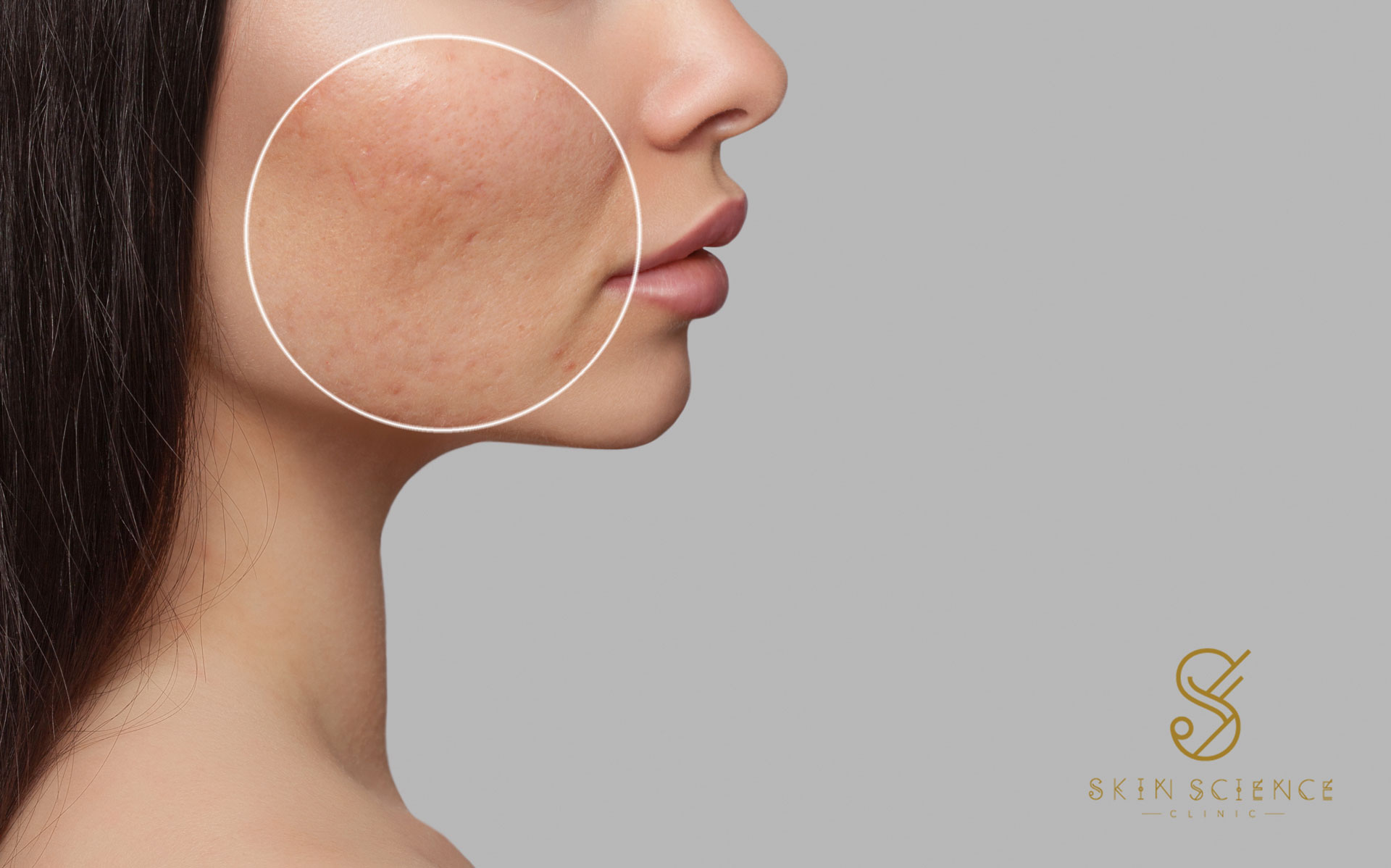
What causes Acne?
There are tiny glands near the surface of your skin called sebaceous glands, which are attached to hair follicles. These glands produce an oily substance called sebum, which lubricates your hair and skin to ensure they don’t dry out.
Acne occurs when these glands produce too much sebum – this ends up mixing with the dead skin cells, which, in turn, causes a plug–like effect on the follicle.
Some of the other causes of acne are listed below:
- Testosterone
- Family History
- Periods
- Pregnancy
- Polycystic Ovary Syndrome
What causes acne scarring?
Scarring happens due to complications caused by acne, and is not limited to the type of acne you suffer from, though you are more likely to get the scarring due to inflammatory acne. If the acne happens deep within the skin, it results in damage to the tissue. This causes the body’s defence mechanisms to kick in and try to heal the wounds by producing collagen. Too little or too much collagen can cause scarring.
There are 3 types of scaring:
Ice Pick Scars
As the name suggests, these scars look like ice picks – small, sharp cavities that are wider near the skin’s surface and get progressively narrower as they go deeper into the skin.
Rolling Scars
Rolling scars are caused when many scar tissues ‘merge’ together and sit under the skin. This makes the surface of the skin uneven.
Boxcar Scars
Boxcar scars look like craters in the skin and are shaped like circles or ovals.
Treatments For Acne Scarring
Fortunately, there are now a wide variety of acne treatments available, which, with the use of technology and scientific advances, have the ability to significantly improve or cure acne and the scarring it leaves behind.
There are different factors which might determine which treatment you would like to proceed with, for example: the amount of downtime required, the cost and the process will all affect which treatment you opt for.
MJoule: Broadband Light and Laser:
At Skin Science Clinic, we use one of the best corrective machines in the world: the Mjoule by Sciton. This machine has two treatment platforms, Broad Band Light (BBL) with High Energy Rapid Output (HERO) and a non-ablative, fractional laser.
BBL heats your skin using special wavelengths of light to break apart acne scars. This controlled form of trauma allows your skin to ramp up its collagen production while calming overactive oil glands. Not only does this reduce acne scarring, but it also reduces acne. BBL will significantly reduce post-inflammatory hyperpigmentation by targeting and breaking up pigment in the skin, diminishing blemishes.
It is virtually pain-free and is suitable for teenagers and adults. This treatment has little to no downtime.
There is an option to layer the treatment with a non-ablative, fractional laser(suitable for all skin types), which will resurface the skin, helping to smooth out the skin and reduce pitted scarring.
Microneedling, Radio Frequency (RF) and CO2 Laser Resurfacing:
This innovative and multi-layered treatment includes the option of combining 2 unique modes, RF microneedling technology & fractional CO2 laser. This option is very effective for treating any scarring left behind from acne/spots as well as pitted scars and pock marks.
The microneedling, RF energy and CO2 laser targets skin improvement and rejuvenation at two different depths; in this treatment, both superficial and deeper layers (the Dermis and Epidermis) are targeted. Micro-punctures are created in the skin, which help to break down old scar tissue and stimulate a powerful release of collagen and elastin, which results in reduced pigmentation and a smoother skin surface. Skin is also left looking more youthful, radiant and tighter (results are normally seen after three treatments and three months after your last session, as it takes the body time to increase collagen).
What makes this treatment superior to traditional microneedling is the fact that both the dermis and epidermis are being treated simultaneously – improving the skin’s superficial layers (epidermis), as well as the deeper layers of the skin (dermis) results in skin improvement on a multitude of levels.
Through fractional radiofrequency microneedling, patients can essentially eliminate the appearance of acne scars over a short series of treatments, without any need for downtime.
We typically recommend a course of three sessions, followed by two sessions annually to keep your skin looking its best!
VI Peel – Precision Plus for Post Inflammatory Hyperpigmentation:
VI Peel Precision Peel is a medium strength advanced synergistic blend of powerful ingredients which targets hyperpigmentation left behind from spots and acne, and other hyperpigmentation present on the skin. It is one of the few peels which is suitable for all skin types/ethnicities (skin types 1 -6) and allows for a deep exfoliation, revealing a smoother, fresher and brighter complexion.
This peel contains the key ingredients Hydroquinone, Hydrocortisone, and Kojic Acid. These skin-lightening key ingredients work together to help target pigmentation issues such as sunspots, hyperpigmentation, blemishes and melasma.
For the best result, a course of three sessions, four weeks apart is recommended.
Microneedling/Dermapen
Dermapen: the evolution of the Dermaroller but notably superior as it provides deeper penetration into the skin than products available for home use or in spas.
It is an effective way to reduce post-acne scarring and other problems associated with oilier skin types. It stimulates the skin’s collagen and elastin, helping to smooth the texture and tone of the skin, reduce the appearance of pock marks, blemishes and enlarged pores (common in people who have oily skin).
The dermapen delivers up to 1,300 micro-punctures per second into the skin. This low-level, superficial damage to the skin results in the body healing itself; stimulating the production of collagen and elastin. Acne scarring occurs due to abnormal clumps of collagen forming and procedures like (and Microneedling with RF) help to break up those abnormal clumps of collagen and lay down fresh, healthy collagen and elastin.
At Skin Science, we couple our microneedling with a high strength brightening serum which aids in suppressing and reducing pigmentation and blemishes whilst simultaneously brightening skin tone. To boost absorption, within thirty seconds of puncturing the skin, we also apply a Hyaluronic Acid to help skin retain moisture and to help plump out any fine lines and wrinkles. Hyaluronic acid is also proven to help wounds heal faster and can reduce scarring.
For further information, please click on the link: https://skinscienceclinic.co.uk/treatments/dermapen/
Hydrafacial
Hydrafacial is an advanced facial and is completed using a machine. The machine uses unique vortex technology to effectively remove dead skin and toxins through gentle exfoliation, whilst simultaneously delivering medical grade serums onto the skin.
The combination of three different serums which are delivered onto the skin through the machine, coupled with the gently abrasive tip of the pen clarifies the complexion and reduces the appearance of acne scarring whilst salicylic acid and honey minimise the likelihood of any further breakouts.
Some Hydrafacial packages at Skin Science Clinic include boosters which target pigment and blemishes (such as Dr Murrad’s Gold Stabilised Vitamin C Hydrafacial Booster ) to further even out skin tone, suppressing melanin production in the skin and brightening it.
Light Emitting Diode Technology (LED):
Our skin has the ability to absorb light energy which is why ‘Light Emitting Diode Technology’ is a very effective and non-invasive way to treat the skin. The use of therapeutic light energy to trigger the skin’s natural rejuvenation procedure is a slower but plausible way to treat acne scarring.
Blue light destroys P-acnes bacteria which causes acne and will improve skin clarity without irritation – less spots means less scarring over time . It also has a calming effect for problematic skin conditions.
At Skin Science Clinic, we use Dermalux LED which is known to deliver optimum photonic energy at a precise wavelength, ensuring maximum cell activation. Dermalux Flex has also been medically CE certified for acne treatment as well as Psoriasis, wound healing and pain relief.
You can have this treatment alone or combine it with many other treatments for enhanced results.
TopicsAcneAcne scarring
Continue reading
 Concerns
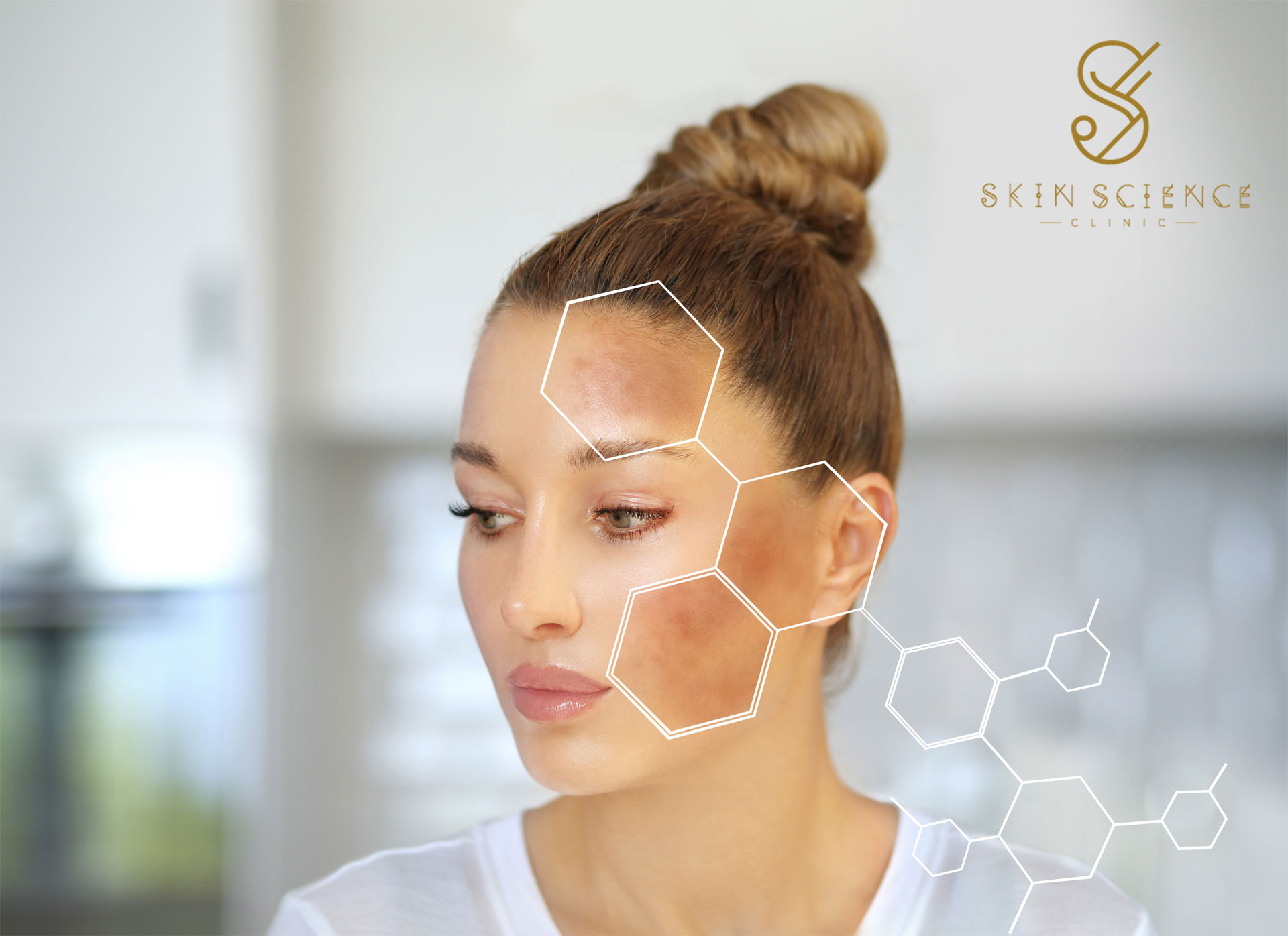
Hyperpigmentation: what it is and how to treat it
Hyperpigmentation is one of the most common skin conditions that occurs when an excess of melanin, the pigment that gives colour to your skin, is produced in certain areas, which can result in darkened patches or dark spots (sometimes known as melasma) or spots (e.g. freckles). These are typically more visible in people with darker skin tones.
 Rejuvenation
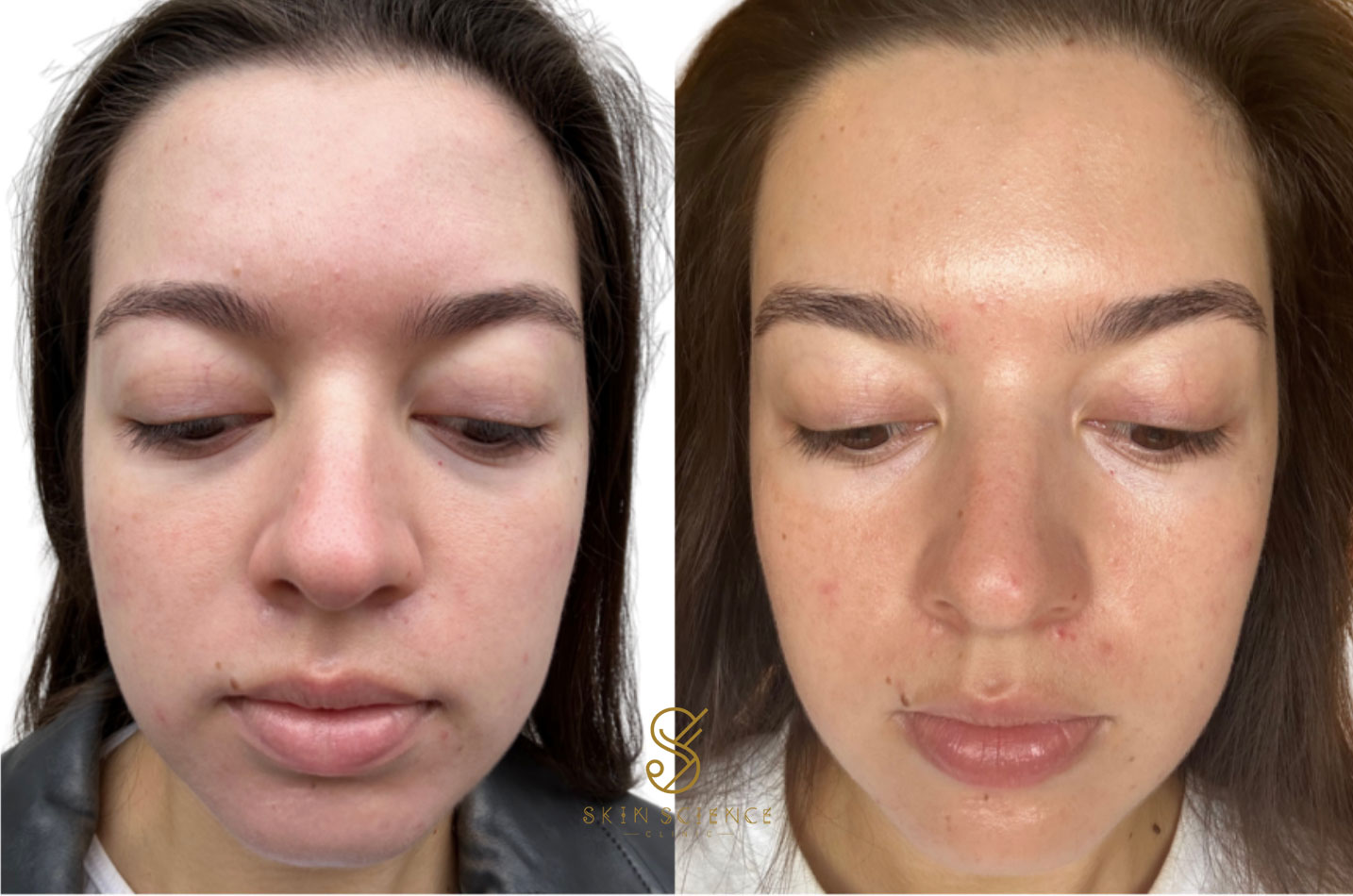
My experience with BBL Hero and Moxi
Overworking, under sleeping and the occasional over partying has left my skin looking tired and dull, despite only being 26 years old.
 Rejuvenation
The definitive guide to chemical peels
Struggling with acne, hyperpigmentation or dull skin? One of our chemical peels treatments could be the perfect solution for you.
ENQUIRY FORM
Have a question about this treatment? Send us a message and we will come back to you.
Central London Skin Clinic