
The Complete Guide to PRP Hair Treatment
Platelet-rich-protein or platelet-rich-plasma (PRP) is an effective way to utilise the body’s own proteins, stem cells, and growth factors to repair and rejuvenate skin and tissues.
GMC Registered Doctor — GMC No. 7085079
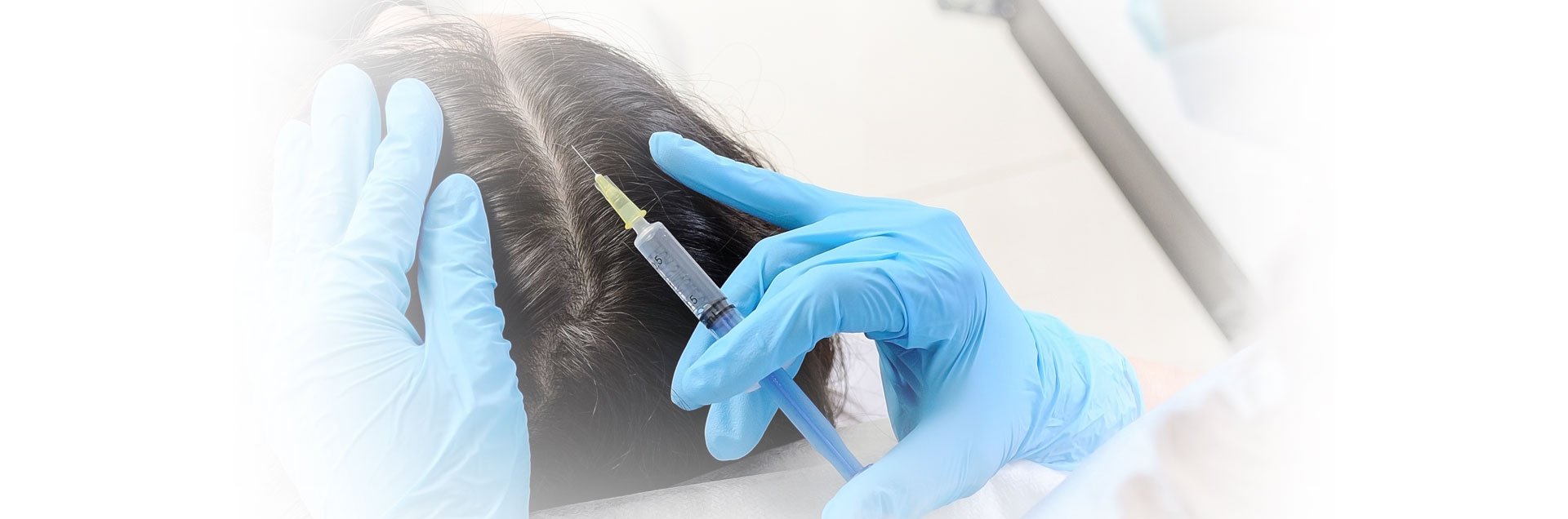
PRP therapy can benefit three types of hair loss:
After its discovery in the 1970s, PRP was predominately used during oral surgery and for orthopaedic procedures, gaining notoriety in 2009 after high-profile athletes benefited from its healing benefits.
One of the many ways PRP can benefit the body by utilising its own healing properties is through the restoration of hair growth. PRP can also be used in facial procedures, but PRP hair treatment is becoming an increasingly popular form of hair loss rectification.
Male Pattern Hair Loss
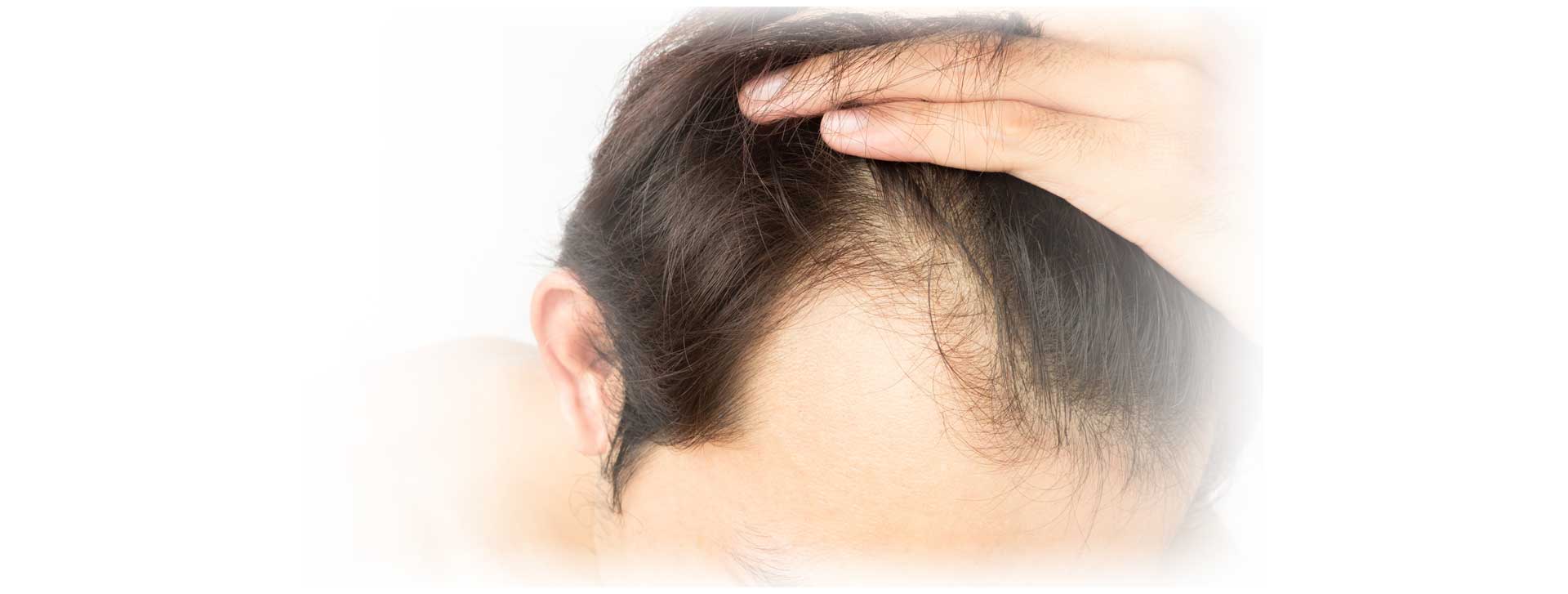
Androgenic alopecia, or male pattern baldness, has been shown to be lessened, with an increased in hair growth, using PRP. PRP can also be beneficial when used in conjunction with hair transplant for male pattern baldness, or in conjunction with medication intended to block the effects of the hormone DHT on the hair follicles.
Female Pattern Hair Loss
Female pattern hair loss tends to result in a diffuse thinning of hair over the entirety of the scalp. PRP has been shown to be clinically effective for this type of hair loss.
Alopecia Areata
Alopecia areata is a form of auto-immune hair loss. It can occur over the entire scalp and body or in patches. PRP has been shown to help people with alopecia areata to regrow hair on their scalp with a low percentage of relapse. Platelet-rich-protein is an emerging treatment with great promise in many areas.
Top Three Reasons to Consider PRP for Hair Loss
Relatively new to the therapeutic and cosmetic world, platelet-rich plasma procedures are quickly making a name for themselves. They have a track record of success in stimulating collagen, facial procedures, and tendon injuries. However, they can also be used to treat hair loss.
If you have concerns about pharmaceutical drugs or complex surgeries, here are three reasons to consider PRP.
1. PRP Does Not Use Foreign Chemicals
Pharmaceuticals such as finasteride do often yield successful results, at the very least halting further hair loss.
However, they come with the risk of certain side effects including erectile dysfunction. Minoxidil has also helped many, though since it is a topical agent, you will have to take care to not get your hair wet for a few hours after putting it in.
PRP, on the other hand, uses a component of your own blood.
Your plasma contains white blood cells, which contain proteins commonly known as growth factors.
When your plasma is injected into your scalp, these growth factors stimulate inactive components of your skin to activate, namely the dormant hair follicles. So, this process is done using only your own cells to stimulate some of your other cells.
2. It Is Extremely Low Risk
As stated, there are no synthetic chemicals used, only your own plasma. The procedure is also minimally invasive; it consists of simple injections into the scalp. The potential health risks with PRP are astronomically low.
3. Anyone With Hair Loss Is a Good Candidate
With most of the other hair restoration procedures, there are some people that will not be able to undergo them for one of two reasons. One is that for health reasons, the procedure will not result in significant improvement. The other is that a particular procedure may depend on remaining hair availability. If nothing but a fringe is left, it cannot sufficiently help.
Speak to a professional about PRP Hair Treatment
To book your consultation, or for more information on PRP Hair Treatment, please contact Skin Science Clinic.
Frequently asked questions
Yes! PRP has been used on thousands of patients worldwide. Because it uses your own blood components, no severe adverse reactions have been reported. It is important that you report any medications you take during the consultation process prior to the procedure.
The treatment is minimally invasive and generally painless. PRP Hair Treatment patients at the Skin Science Clinic benefit from a premium, medical grade centrifuge which provides the highest concentration and quality of PRP. The needles used for the injecting the scalp are among the thinnest in the world, making the procedure virtually painless.
There is no recovery time associated with the PRP Hair Treatment procedure. The procedure usually takes around 90 minutes, after which time patients are free to resume normal activities.
Because the procedure uses your own blood components applied in a controlled clinical environment, the risk of side effects is very low. As with any kind of injection, there is a very low risk of blood vessel injury and scar tissue.
The PRP Hair Treatment procedure, including the injection or injections, is considered safe. The risk of infection, as a result, is low.
We recommend a course of four PRP treatments, each spaced 4 weeks apart. Maintenance is then once every four months if desired/necessary.
While PRP Hair Treatment should not be considered a permanent solution or ‘cure’ the procedure does offer long-lasting and natural results. It has the ability to stimulate hair growth for several years. In order for the effects to be long-lasting, PRP Hair Treatment patients should receive maintenance treatment every four months if desired/necessary. Founded by the leading cosmetic doctor, Dr Adil Sarwar (MBBS, BSc, MRCGP), Skin Science Clinic is a respected specialist in many skin cosmetic procedures such as; [Botox](/botox-london), [Lip Fillers](/treatments/lip-fillers), [Cheek Fillers](/treatments/cheek-filler), [Polynucleotides](/treatments/polynucleotides), [Peels](/alumier-peels-menu) and many more cosmetic treatments; now including [FUE Hair Transplant](/treatments/hair-transplant-london). View the guide price list by [clicking here](/prices).
TopicsPRPHair loss
Continue reading
 Hair
HairThinking about a hair transplant?
A hair transplant can enhance your look and build your confidence, but it’s important that you understand how the whole process works.
 Botox
BotoxMy Approach to Bruxism Treatment Using Botox
Bruxism—commonly referred to as teeth grinding or jaw clenching—is a condition I have been treating for over a decade. It can significantly impact a patient’s quality of life, leading to facial pain, tension headaches, and long-term dental damage. At Skin Science Clinic, we use a carefully tailored Botox protocol to alleviate symptoms, improve function, and preserve oral health.
 Botox
BotoxManaging underarm sweating: 15 years of treating hyperhidrosis
One of my earliest roles after qualifying from medical school was in the vascular surgery department at Lewisham Hospital, where I had the privilege of working under Mr. Aaron Sweeney, a highly respected consultant vascular surgeon. It was an intense and formative environment—one that shaped not only my medical approach but also…
ENQUIRY FORM
Have a question about this treatment? Send us a message and we will come back to you.
Central London Skin Clinic